What Foods That Makes Your Teeth and Gums Healthy and Strong

Foods Make Teeth Stronger
What Foods That Makes Your Teeth and Gums Healthy and Strong

We consume different types of food items daily as per the availability, our taste or preferences and of course, as per the affordability. However, a few food items are very common, consumed by most people in our society and also essential for our body. While health-conscious people prefer to eat some food additionally as per their body requirements or keep their particular organ healthy.      

Teeth are one of the most vital parts of our body that also require certain nutrition to keep them strong and healthy. And to keep your teeth and gums healthy, apart from oral hygiene and dental care, you also need to add some extra foods to your diet to keep them strong.  Today, here we are going to discuss about the food that makes your teeth healthy and strong with eating tips.

What Foods Make Teeth Stronger?

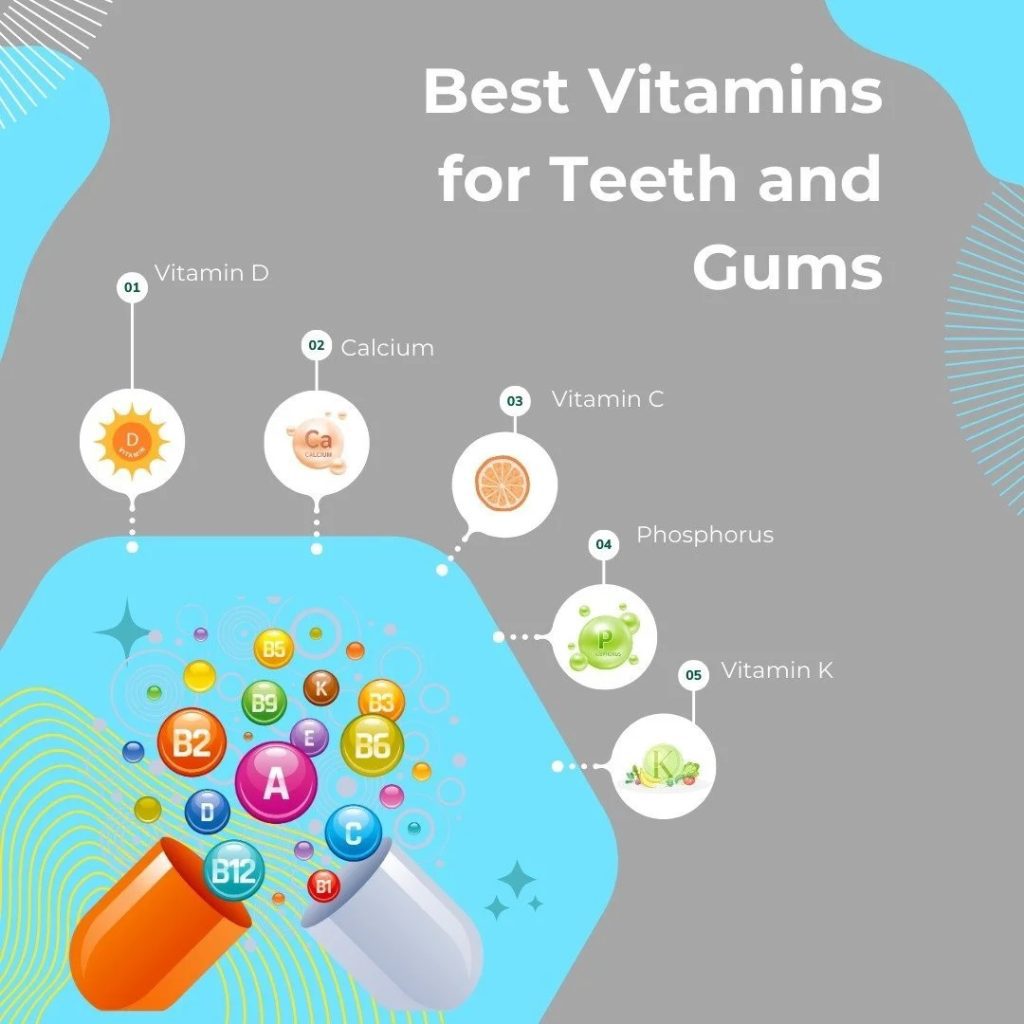
As per the dental association across the nations, calcium, vitamin D, and phosphorus-rich foods are good for the health of teeth and gums. These minerals and vitamins help in more saliva production while reducing acidity in your stomach, helping you to strengthen your teeth’s health.

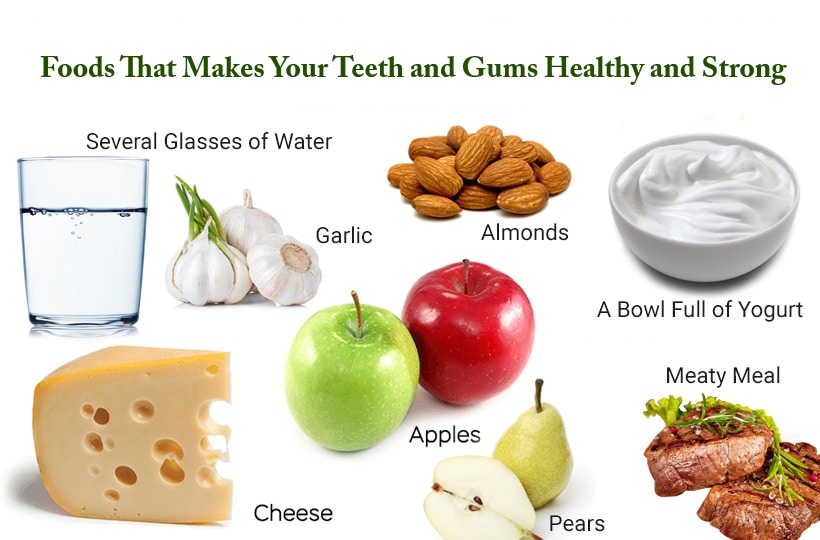
To fulfil the extra requirements of these vitamins and minerals, you need to consume some additional foods such as dairy products, leafy greens, nuts, and certain fruits, which are rich in vitamin D and calcium. Below you can find the food that contains these minerals and vitamins, keeping your teeth and gums healthy.     

Food that makes your Teeth and Gums Strong:

Milk or Dairy Products

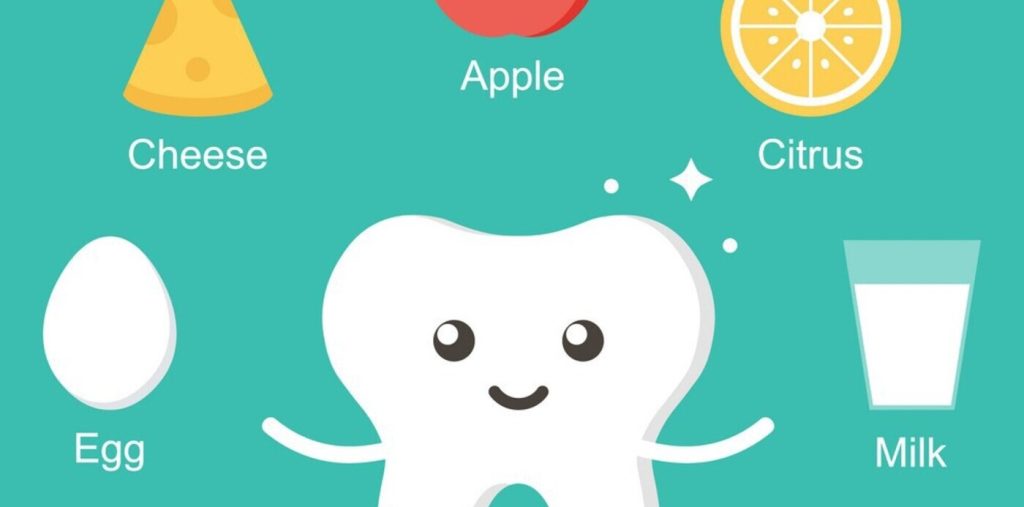
Dairy products like milk, yoghurt and cheese are a rich source of calcium, which is one of the most essential minerals to keep your teeth healthy and strong. Apart from this, these milk products also contain the casein protein, which stabilises and repairs the enamel of your teeth.

Cheese contains calcium that not only maintains the density of bones but also lowers the acid levels in the mouth, which helps your teeth to fight tooth decay. However, cheese is also rich in phosphate content, which helps balance PH levels in the mouth, helping to preserve tooth enamel.

Almonds and Nuts

Almonds and other nuts are a good source of calcium and protein with low sugar content. Apart from that, peanuts and other nuts are a great source of calcium and vitamin D, keeping your teeth strong. While cashews help to stimulate the saliva and fight with bacteria that lead to tooth decay. 

On the other hand, walnuts contain multiple minerals and vitamins like magnesium, potassium, zinc, iron, folic acid, fibre, niacin, thiamine, vitamin E and vitamin B6. And one of the best parts is that eating dry fruits or nuts helps you to scrape off plaque when you chew them with strong bites.

Carrots and Green Salads

Eating raw carrots not only acts like a natural toothbrush, cleaning your teeth, but also reduces the risk of cavities due to increased saliva production in your mouth by chewing them. Along with high fibre content, carrot also contains Keratin and vitamin A, helping you to repair the enamel.

Also Read: How to Protect Teeth from Cavity Growing and Getting Worse

Similarly, other raw salads are rich in fibre, and vitamin A improves the health condition of your gums with blood circulation. Apart from this, carrot also contains Vitamin K1, biotin, and keratin, which are good for keeping your jawbones and gums healthy while strengthening the enamel.

Spinach and Leafy Vegetables

Spinach is enriched with nutrients like folic acid, calcium and vitamin K that contribute to healthy and strong teeth and gums. These vitamins and minerals in spinach also help to strengthen the teeth enamel and promote gum healing while reducing any kind of inflammation in gums and teeth.

Similarly, other green and leafy vegetables also contain vitamins, iron and calcium, helping the rebuilding of enamel and keeping your teeth strong and healthy. And some of the green leafy vegetables contain antioxidants that reduce the acidity in your mouth and help to fight harmful bacteria, protecting your teeth and gums against cavities and other diseases. 

Also Read: How to Get Rid of Tooth Decay: Natural Ways Remove Cavities

Apples and Fruits with Vitamin C

To eat an apple, you need to bite and crush it with your teeth; this process helps to clean your teeth like a natural toothbrush. Chewing apple produce salvia that helps to manage acidity in your mouth and wash away the food particles, working like a natural dental care product.

Similarly, other fruits such as strawberries, pineapple, cranberries, kiwi and other citrus fruits like oranges and lemons are good for teeth and gums. Strawberries work like a natural teeth whitener, pineapple is rich in manganese and calcium, while kiwi and citrus fruits are enriched with vitamin C.

Similarly, cranberries reduce plaque formation, and blueberries and raspberries are rich in anthocyanins, preventing pathogens from attaching to teeth, keeping them strong and healthy. Raisins – a dry fruit, contain phytochemicals that kill bacteria and prevent gum disease.   

Salmon and Other Fatty Fish

Salmon is one of the richest sources of omega-3 fatty acids, with a good amount of vitamin D and phosphorus. Omega-3 fatty acids help to reduce inflammation in the gums and prevent other related diseases. On the other hand, Vitamin D helps to absorb the calcium in our body, which is a key component to keep our teeth strong. And phosphorus builds and maintains strong teeth.  

Similarly, other fatty fish also contain the same types of nutrition along with fatty acids that are not only good for the brain and cognitive functioning. These fatty acids also act as powerful inflammation, supporting the immune system, which also helps to prevent gum-related diseases.

Summing-up

Foods rich in Vitamin D, calcium, and Vitamin C are not only good for your teeth but also play a major role in keeping your teeth strong and healthy. However, food items that contain magnesium, potassium, phosphorus, fatty acids, folic acid, fibre, niacin, thiamine, vitamin E, and vitamin B6 also help to keep your teeth healthy and free from germs and bacteria that are harmful to your teeth.

Apart from consuming these food items, you also need to take care of your teeth with proper oral hygiene and dental care. However, despite such care in case of any dental problem or gum-related diseases, you can visit your nearest Dental Clinic in Greater Noida. You can book appointment online at Dr. Sinha Dental Clinic and get one of the best treatment and care facilities for all types of dental problems.

How to Prevent Grinding Teeth While Sleeping: Home Remedies

remedies to stop grinding teeth at night
How to Prevent Grinding Teeth While Sleeping: Home Remedies

Teeth grinding, especially at during the sleep, is a mouth disorder, and in dentistry it is better known as “Bruxism”. Though, it is not a critical disorder, but it can be disturbing for people sleeping around you and also stressful for the people suffering from this problem. 

Hence, understanding this problem is necessary to take the right action to prevent it with home remedies or other treatment procedures. If you are one of them having Bruxism or suffering from a teeth clenching problem, you should read this article for remedies to control this habit and how to reduce the side-effects of teeth grinding with some of the preventive measures.  

What is Teeth Grinding or Clenching?

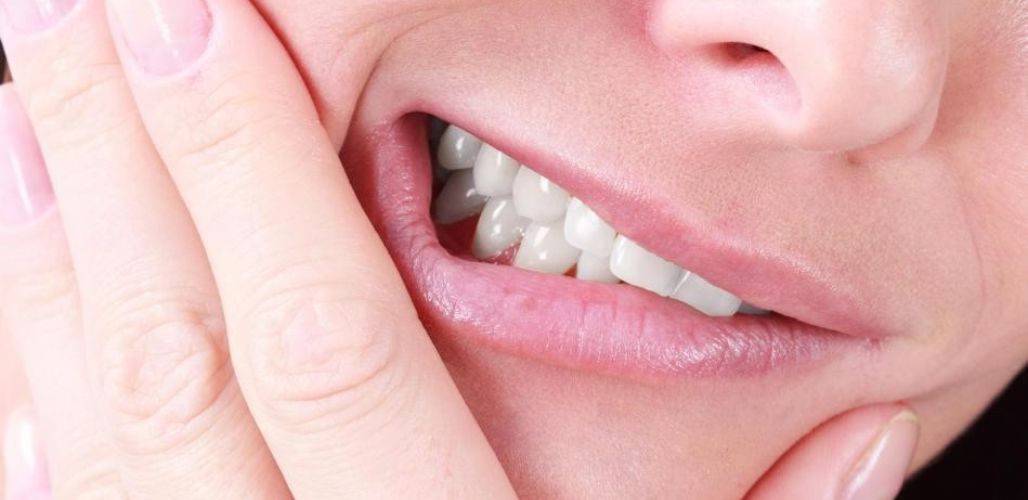
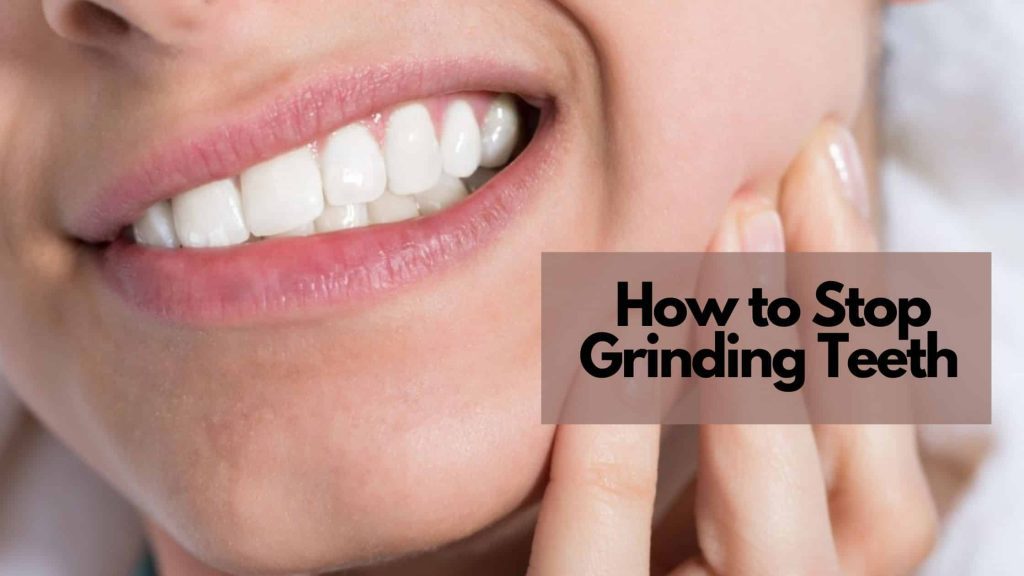
Teeth grinding or Teeth Clenching are both interchangeable words called bruxism, a kind of mouth disorder in which a patient keeps clenching the teeth when in deep sleep. This process runs mainly when the patient is unconscious or doesn’t know while grinding their teeth.                 

People suffering from this disorder do this regularly during sleep, and regular or hard teeth clenching can cause jaw pain, headaches, and dental damage. Hence, you need to take care of this problem and apply some of the remedies to prevent this problem. Below, we have brought here the best preventive measures to stop teeth grinding and clinching problems. 

Preventive Tips & Home Remedies for Teeth Grinding  

remedies to stop grinding teeth at night

Reduce Your Stress and Depression  

Taking too much stress and anxiety is one of the biggest reasons behind teeth grinding. Excessive stress in the life will push you into depression which can cause other health issues like acid reflux and sleep disorder or stress and depression related other health issues.  

Hence, you need to control stress and depression levels to avoid such health problems, including teeth grinding, to keep your teeth strong and healthy. If you are coping with stress or depression, you need to go to cognitive behavioural therapy (CBT) and also start yoga and meditation to deal with it. It will help you relax your mind and recover from other related problems.     

Stop Chewing Non-Edible Items      

This is one of the most common bad habits among people who also suffer from the teeth-grinding problem. Yes, a few people have the habit of chewing or biting non-food articles like pencils, pens or other handy articles in their office, school or other areas where they spend their daily life. This kind of bad habit also causes the teeth-grinding disorder among people.

In day time when you do this, it stretches your muscles and encourages you to do the same at during sleep. While some of the people also regularly enjoy chewing gums in their mouths, which also leads to a teeth-grinding problem when they sleep at night. 

Jaw Exercise to Relax Mouth Muscles 

Another way to get rid of the teeth grinding problem is you should do the jaw exercise to relax the muscles of the mouth. Teeth grinding regularly and with high pressure can disturb your jawline, while a relaxed jaw allows the whole area to rest, reducing the risk of any complications down the line. 

To do this exercise, you simply need to open your mouth wide open at the same time touch your tongue with your front teeth. Another way is to try to say the letter “N” loudly, which will keep your top and bottom teeth away from each other and help you to reduce the clenching problem. 

Use Night Guard While Sleeping                              

Night guard or mouth guard and splints are also one of the most effective ways to prevent teeth grinding at night. When you put this into your mouth, it creates a kind of physical barrier between your lower and upper jaw teeth that also protects your teeth from wear off.

Wearing a mouth guard also protects your jaw fromstrain, and when you clinch your teeth, there is no noise that comes from the mouth. It can be expensive to use the night guard, so you can use a plastic made that can be very effective, especially to prevent your teeth from wearing off. 

Get Feedback from Your Sleeping Partner  

To understand the level and type of grinding in your teeth that usually occurs after sleeping, you need to get feedback from the person sleeping beside you. It could be your life partner, living partner or friend sharing a room or bed with you who can hear or watch your teeth grinding activities.  

Here you can suggest to your partner that you nudge them whenever you clench your teeth or make such a noise. Or you can also go through the Biofeedback therapy, in which you can learn how to control your jaw through muscle movements using visual, vibratory, or auditory feedback created through electromyography. This therapy is effective in providing the relief from teeth clenching.

Treatment for Teeth Grinding and Clenching

Though home remedies can help you prevent teeth grinding, sometimes it not work for many people. And to get rid of this mouth disorder, you should go through the medical treatment that can cure the clinching problem through various other dental procedures.

Here, your dentist will suggest non-steroidal anti-inflammatory drugs that will help you get relief from pain or swelling around your jaw caused by grinding. Here you should keep relaxing your jaw muscles before going to sleep at night. To get the right treatment for teeth grinding, you can visit your nearest dentist in Greater Noida and get rid of this disorder.

What is a Composite Filling: How it is Done & Take Care of it? 

Composite Filling
What is a Composite Filling: How it is Done & Take Care of it? 

Cavities in the mouth create holes in the teeth not only making your teeth structure weak but also it can erode the enamel of your teeth causing pain and swelling in the mouth. If you don’t take care of such affected teeth, it can cause a major problem and you might need to go to critical dental problems.

To cure critical dental problems you need to go through a critical dental procedure like Root Canal Treatment or in the worst condition you need to remove such tooth permanently. Hence, the best way to cure the cavity at the initial stage is to get the composite filling to prevent your teeth from further decay and cavities. Let’s find out about the composite filling, how it is done and cure your teeth.

Also Read: How to Protect Teeth from Cavity Growing and Getting Worse

What is a Composite Tooth Filling?

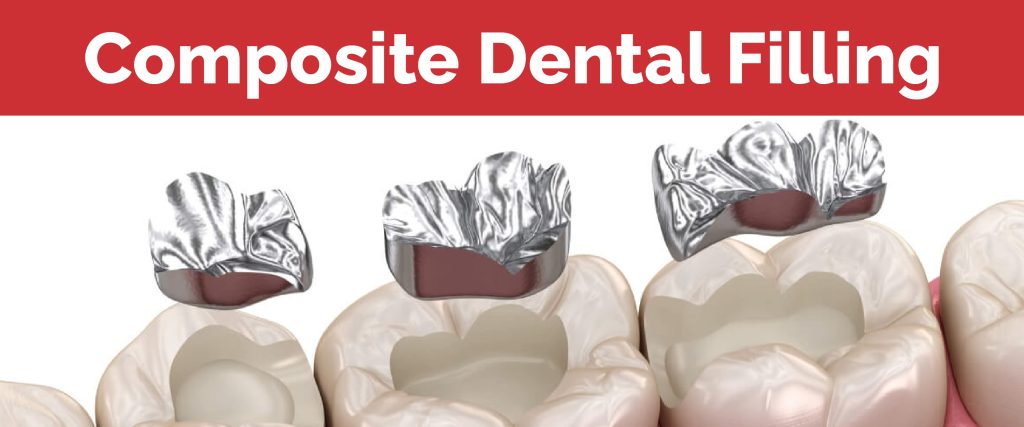
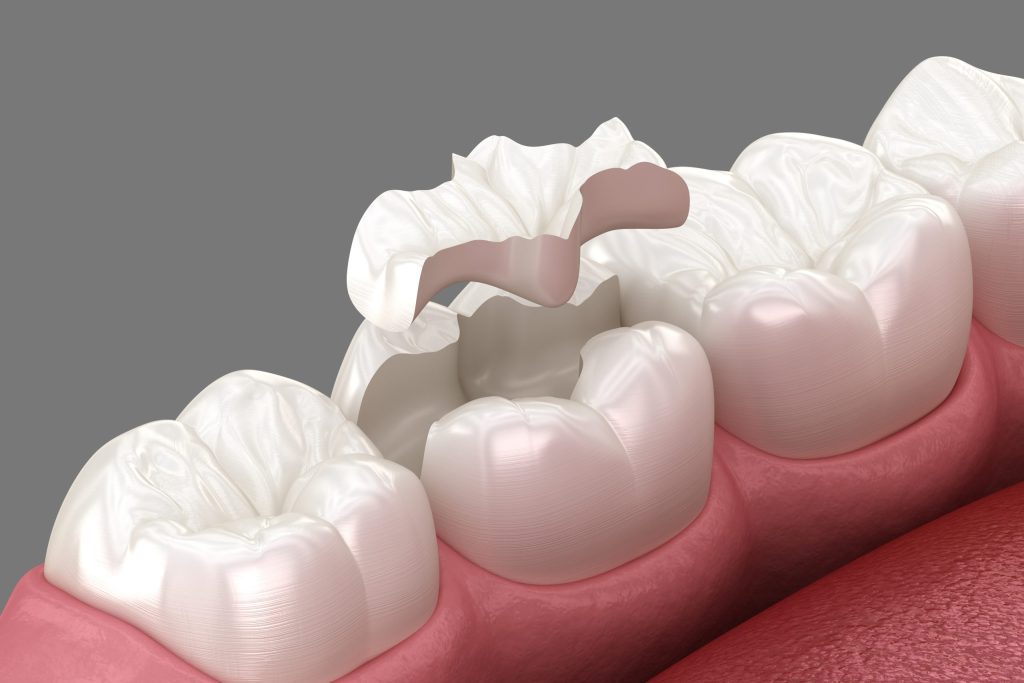
A composite dental filling is a dental procedure in which a dentist or dentistry medical professional uses different types of material to fill the hole in the tooth to make it strong and healthy. The material used in composite filling is called resin material and can be the best alternative to traditional amalgam fillings.

The material used for filling is like a natural tooth colour that becomes invisible after filling and provides strength and protection to the tooth. This composite filling material is made of silica, and there could be other types of materials used in the composite filling depending on your tooth condition and affordability.   

How Composite Fillings Are Done?

The dentist starts with a diagnosis procedure and based on the tooth conditions the treatment is performed. To avoid pain, the dentist will use local anesthesia to numb the tooth and surrounding area, and then start the drilling process in your tooth enamel to remove the infected or damaged part of your tooth.

Afterwards, this area is cleaned and sterilized to avoid infection, but before filling any material into it, the dentist etches and bonds the tooth. Lastly, the right composite material is filled into the hollow area with multiple layers applied to ensure the entire gaps and every corner is properly filled.

Before giving the final shape or contour and polishing of the tooth, the dentist makes sure your tooth becomes solid enough to tolerate the bite pressures and you are comfortable with the filling or not facing any major problem in your jaws or opening or closing your mouth.

composite filling

When You Required Composite Tooth Filling?

The time when your tooth becomes hollow and damaged due to a cavity you need to fill this hollow space with a special type of material that is known as composite filling. However, there could be various other reasons the dentist can recommend you to go through the dental procedure of composite filling.  

Reasons Why You Need Composite Fillings:

  • Broken Teeth
  • Cracked Teeth
  • Chipped Teeth
  • Decayed Teeth
  • Hollow Teeth
  • Worn Teeth
  • Space Between Teeth

Types of Composite Filling Materials

Dentists can use different types of composite filling materials as per the teeth conditions and affordability of the patient. The most common materials used in the composite filling are porcelain, Glass and quartz. Many people prefer to get gold, a silver amalgam that consists of mercury mixed with silver, tin, zinc, and copper or plastic made and tooth-coloured composite filling for the teeth. 

Moreover, there is another strong material called glass ionomer that is used in the same way for composite resin filling. However, based on your tooth position and extent of the decay and the cost of filling materials, you can choose the right one suggested by the nearest dentist in Greater Noida.

How Long do Composite Resin Fillings Last?

This could be one of the biggest concerns of the patients looking to get the composite filling in their teeth. The longevity of the composite filling depends on your daily lifestyle, eating habits, oral care or dental hygiene. However, the types and quality of materials used in composite filling also play an important role in the durability and longevity of the composite filling which you can check below. 

  • Composite Fillings last 5 to 15 years
  • Gold Fillings last 15 to 20 years
  • Amalgam Fillings last 5 to 25 years

How to Take Care of Composite Fillings?

The durability and longevity of the composite filling not only depend on the types or quality of material used in this dental procedure. But the way you take care of your teeth also plays an important role in how long composite filling lasts. Hence, you need to take care of your teeth and follow a few instructions after composite fillings to get maximum performance of the composite filling with the best results.     

composite filling

After composite filling, you should avoid eating hard food materials that need extra pressure to chew. Apart from that, also avoid materials that can easily stick in such gaps like gutkha or tobacco materials that can disturb the composite filling. Also, take care while brushing and avoid consuming excessive hot and cold beverages or you can also use the mouth guards to protect your teeth.        

Visit the Dentist for Regular Checkups 

Last but not least, if you have gone through any type of dental procedure in your lifetime you should keep visiting your nearest dental clinic for tooth filling in Greater Noida. As with the time being such composite filling can tear down or can be exposed due to regular eating habits.

Here, when you visit your nearest dentist near Purvanchal Royal City, Greater Noida, the dentist will examine the latest condition of the composite filling and if there is any further treatment or dental procedure required it will be performed to ensure the long-lasting performance of the composite filling.   However, for long-lasting performance of composite filling, you can visit the Dr. Sinha Dental Clinic in Greater Noida, where you can get best-in-class treatment for various types of dental problems. And for the long-lasting composite filling, Dr. Sinha Dental Clinic could be the best option to get the low-cost tooth filling.

How to Cure Sensitive Teeth & Treatment for Sensitive Tooth

cure sensitive teeth
How to Cure Sensitive Teeth & Treatment for Sensitive Tooth

Sensitivity in teeth is one of the most common problems among people of all age groups across the world. When you go through this tooth sensitivity problem, every time when you consume hot or cold liquids or food items you will feel a kind of sensation in your affected teeth. 

However, with the time being of age, you can sense some amount of sensitivity, especially at the time of eating either extremely hot or child liquids. But if you start facing this dental problem at a young age or have high sensitivity even when consuming temperature food and beverages, then the situation is getting worse and you need to cure this with the right treatment.    

Main Causes for Sensitive Teeth

When your teeth are healthy or don’t have any dental problems like tooth sensitivity or cavities, the underlying layer of dentin is covered by enamel and the roots of the tooth are protected by gums. But when the gum line started receded, then enamel starts getting damaged exposing the teeth dentin.

Also Read: How to Protect Teeth from Cavity Growing and Getting Worse

However, the dentin can be exposed due to multiple reasons like cracked teeth, cavities, cavities, root erosion or enamel erosion. This Dentin is well-connected with the nerves of your body that realize sensitivity and pain in your teeth when your dentin is exposed. 

Also Read: What are the Causes of Sensitive Teeth? Reasons for Sensitivity

Dentin is made with thousands of microscopic tubules, or channels that cause tooth pulp and when it is exposed then these dentinal tubules are not able to stop heat, cold, acidic or even sticky substances from reaching the nerves inside the tooth. And when such substances touch the nerves you feel a strong sensation in your teeth and gums that is called sensitivity.  

How to Treat Tooth Sensitivity at Home?

When you start realizing such pain or sensitivity in your teeth you can apply some home remedies for tooth sensitivity to get relief from such dental problems. Though, there are various home remedies for teeth sensitivity that you can try at your home but are going to share here the best and highly effective treatment that will help you get rid of the tooth sensitivity.   

Fluoride Can Give Instant Relief

Using fluoride in your mouth toothpaste or mouthwash is one of the best ways to cure tooth sensitivity at home. The fluoride contained in the mouthwash or toothpaste helps to strengthen the enamel of teeth and also reduces tooth sensitivity and pain from sensitive teeth.  

You can use fluoride-based toothpaste or mouthwash on a regular basis or can also directly apply the fluoride gel on the sensitive tooth area. To get permanent relief from sensitivity you need to regularly use fluoride-based mouthwash or toothpaste. You can find medicated toothpaste that are fluoride-based or especially made to provide relief from sensitivity problem.        

Desensitizing Toothpaste or Bonding

Desensitizing toothpaste is another useful home remedy you can use to cure the teeth sensitivity problem. The desensitizing toothpaste or bonding helps block nerve signals in the dentin which helps to reduce the pain caused by the sensitivity. In fact, regular use of such compound gradually builds up a type of protective layer on your sensitive teeth, reducing the sensitivity over time. 

Desensitizing toothpaste contains an active ingredient called potassium nitrate that can block the pain signals you realize through a nerve in your tooth that travels to your brain. Similarly using the bonding by applying to the sensitive exposed root surface will provide you relief from such pain.

Other Home Remedies for Tooth Sensitivity  

Apart from both these most effective and practical home remedies for tooth sensitivity, you can also try various other therapies like using clove oil, salt water rinse, oil pulling, vanilla extract, turmeric, guava leaves, peppermint, hydrogen peroxide and garlic.   

However, these remedies are effective when you have normal sensitivity or when you apply these therapies at the initial stage of sensitivity in your tooth. If your tooth sensitivity problem is getting worse or become severe, then you need to visit your nearest dentist in Greater Noida. Here you get the medicated treatment to cure the tooth sensitivity problem.  

cure sensitive teeth

Best Dental Treatment for Tooth Sensitivity

Again when some of the home remedies do not work in severe conditions, you need and medicated treatment by the dentist to cure the teeth sensitivity problem. For that, you have to visit at nearest dental clinic in Greater Noida, where the dentist will diagnose the actual dental problem causing the teeth sensitivity and its condition to recommend you best treatment.

Surgical Gum Graft

If your tooth showing sensitivity has lost gum tissue and its roots are exposed, then the surgical gum graft technique can be used to cure the sensitive teeth. In this critical dental procedure, the dentist will take a small amount of tissue from somewhere else in the mouth and fix it to the affected area.

Also Read: Types of Dental Procedures Used for Treatment of Teeth Diseases

The tissues taken from deceased donor tissue to attach to the affected site protect exposed roots and reduce sensitivity. In this surgical dental process, the surgeon repositions your gum tissue and stitches it into place which not only takes time but also requires more expertise to perform this process with complete safety and precautions. Here you need to visit the best dentist near Kendriya Vihar, Greater Noida to get the right treatment at very reasonable charges.

Root Canal Treatment (RCT)

This is one of the most critical and extravagant dental treatments you can take when you don’t want to lose your original tooth and enjoy a pain-free chewing experience. The root canal treatment will cut your connection from your affected tooth’s nerves and fill it with suitable materials after cleaning the infected pulp helping the patients to enjoy the painless chewing experience.

Also Read: Top 10 Frequently Asked Questions About Root Canal Treatment

RCT Though, this is also a critical as well as time-consuming and expensive dental treatment but can restore your original teeth with new-like strength. And it will completely provide you relief from tooth sensitivity while giving the biting and chewing experience with proper capping of teeth. Again to get the RCT you need to visit Dr. Sinha Dental Clinic, where Dr. Sinha will diagnose and provide you with the best treatment for tooth sensitivity as per your ease and availability. 

How to Get Rid of Tooth Decay: Natural Ways Remove Cavities

natural ways remove cavities
How to Get Rid of Tooth Decay: Natural Ways Remove Cavities

Teeth are mainly damaged because of the cavity, that starts eating your teeth and makes tiny holes and all these are caused by the harmful bacteria. These bacteria create the acid released from sugar, eating the enamel of the teeth and this is also called dental caries. 

How is Cavity formed in your Teeth?

These harmful bacteria are so active that they create a sticky coating that is called plaque and an acid in the plaque starts removing the minerals from the enamel of teeth. Enamel is a natural coating made of phosphate that protects your teeth from such bacteria. When this erosion process makes tiny holes in your enamel it starts damaging the dentin layer below the enamel resulting in the formation of cavities in your teeth causing pain, sensitivity or other problems.

Also Read: What are the Causes of Sensitive Teeth? Reasons for Sensitivity

How to Remove Cavity from Teeth at Home?  

When tooth decay procedure becomes severe you can face major dental problems and you have to visit the dentist near Greenwood Society in Greater Noida to get the proper treatment. Hence, you should prevent cavities or you can also remove the same at home. Removing the cavity or tooth decay is not that critical but prevention is better than cure.

cavity

10 Natural Ways to Get Rid of Cavities

1. Clove Oil

Clove oil is one of the ancient ingredients used to get relief from various dental problems. An active ingredient called Eugenol acts as a natural analgesic and antibacterial properties in the cloves help to remove or kill the bacteria causing cavities. When you put a few drops of clove oil on your affected teeth, you will get instant relief from pain and inflammation.    

To use this remedy, just soak a cotton ball with clove oil and keep it over the affected teeth. It will numb the surrounding area and also remove the bacteria-causing cavities. Make sure not to use excessive drops of clove oil to soak the cotton balls, otherwise, the tissues on the tongue will also become numb and you will be not able to feel the taste of anything.     

2. Oil Pulling

It is also one of the ancient practices in Ayurveda in which swish oil like coconut oil, sesame oil or gingelly oil in your mouth for 10 to 20 minutes. The antibacterial properties in these oils help to reduce plaque, gingivitis and the harmful bacteria causing the cavities.

A regular use of oil-pulling practice also helps to remove the plaque from your teeth also keep them strong. To use this remedy, simply keep one tablespoon of coconut or sesame oil in your mouth for a few minutes and spit the same. You can repeat this process on a regular basis.  

3. Salt Water Rinse

Rinsing with salt water is another one of the most effective ways toget rid of tooth decay. The antibacterial properties in the salt will neutralize the level of acid in your mouth and also remove the harmful bacteria causing the cavities. The salt water also helps to maintain the pH level and reduce inflammation in your gums and mouth due to cavities. 

To perform this home remedy simply mix a teaspoon of salt water in a glass of warm water and dissolve the same before rinse your mouth thoroughly. You can perform this process several times a day and it will help you in reducing gum tissue swelling. 

4. Garlic

Garlic also acts as a natural remedy to remove the bacteria-causing cavities. A naturally found compound in Garlic allicin has strong antibacterial effects that can easily remove the bacteria that are producing cavities or dental caries in your teeth. The garlic has strong antibacterial and painkilling properties that makes it strong.

You can chew raw garlic cloves in your mouth for a few minutes or mix them with salt and crush them before applying the affected teeth in your mouth. Chewing the raw garlic on a regular basis will not only help you in getting relief from tooth pain and decay but it will also help you in getting relief from various health problems like gastric or indigestion. 

5. Aloe vera

Aloe vera contains anti-microbial and anti-inflammatory properties that help to prevent the teeth from cavities. The soothing and healing properties in the Aloe vera gel have positive effects on teeth as fluoride while reducing the bleeding and swelling of the gums for conditions such as gingivitis or gums-related periodontal diseases.

Remove Cavity

To use this, just apply the gel of fresh Aloe vera on your affected teeth keep it for a few minutes and rinse your mouth with water. And consuming Aloe vera juice or any other form also helps to get relief from various health problems like indigestion or heartburn.   

6. Guava Leaves

This could be another natural remedy that can help you to get rid of dental cavities. The Guava leaf contains antimicrobial and anti-inflammatory properties that help to remove the bacteria causing the cavities. Chewing the Guava leaves will also help you to reduce the inflammation and boast antioxidant that helps in fighting such harmful bacteria.     

You can simply chew the fresh guava leaves or use the same as a mouthwash to reduce the harmful bacteria and also helps in getting relief from toothaches, ulcers, and oral hygiene. You can chew the Guava leaves on a regular basis to keep various oral problems away. 

7. Chewing Sugar-Free Gum

Chewing the sugar-free gums stimulate saliva production in your mouth, increasing the pH of plaque and preventing your mouth become dry. And when your mouth is, dry or doesn’t have enough saliva, the harmful bacteria attack in your teeth causing the cavity.

 As per the research, the compound called casein phosphopeptide-amorphous calcium phosphate in such sugar-free gums helps to reduce streptococcus mutants which a facultatively anaerobic, gram-positive coccus commonly found in cavity-causing tooth decay.

8. Vitamins and Minerals

Addingvitamins and minerals to your regular diet is also very important to keep your teeth healthy and strong enough to fight cavities. For teeth, Vitamin D is important as it helps to absorb the calcium, phosphate and magnesium from food you consume. And with calcium and other essential minerals, your teeth become stronger avoiding dental cavities.  

To increase Vitamin D in your daily intake you can add dairy products, like milk and yogurt to your regular diet. The best natural way to provide Vitamin D to your body is to expose your body to sunshine and keep your bones and teeth strong naturally.

9. Timely Tooth Brushing 

The bacteria use the sugar contents to release the acid that attacks your teeth causing the cavity. Apart from artificial sugar foods and beverages, most of the foods and drinks have some amount of sugar in glucose form. Every time after consume such foods there is a chance of an increase in sugar level in your mouth, which you need to remove by brushing.     

Brush your teeth at least two times, in the morning and in the night. In the night before sleeping always brush your teeth properly, as your mouth activity stops leading to an imbalance of pH levels. Bacteria take advantage of overnight inactivity in your mouth and attack the teeth with acid causing the cavity. But when brushed it will clean your mouth and remove sugar content.  

10. Fluoride Toothpaste

And brushing your teeth with fluoride toothpaste will help you to remove the cavities from your teeth. As per the medical research, Fluoride plays an important role in stopping the cavities. Hence, you can use fluoride toothpaste on a regular basis to minimize the impact of bacteria.

Ad you can also use the medicated toothpaste on a regular basis as all of them contain fluoride and other essential ingredients like sodium and phosphate that helps to prevent cavities getting worse and other dental problems like sensitivity and bad breath.

Also Read: How to Protect Teeth from Cavity Growing and Getting Worse

However, apart from these home remedies to stop cavities, you can also visit your nearest dentist in Kendriya Vihar Greater Noida. Here you can take regular check-ups of your teeth and if there is any cavity it can be manually removed timely to prevent your teeth from damage. Dr. Sinha one of the best dentists in Greater Noida will also provide you with the proper treatment and care to remove the cavity or cure various other dental problems at affordable cost. 

What is a crossbite? Signs, effects and treatment

What is a crossbite? Signs, effects and treatment

A crossbite is basically a misalignment of a tooth or teeth where one or more teeth are positioned irregularly; they’re closer to the cheek or tongue, rather than their ideal position.

Crossbite can prevent jaws from closing properly, making it difficult to eat and speak. The situation can even have psychological effects and may cause you to lose your confidence.

Getting treated for this condition is vital because if you don’t, it can lead to the improper growth of the jaw, eventually resulting in one side of the jaw growing larger. This improper growth affects your entire facial structure.

What is a crossbite? Signs, effects and treatment
If not treated, crossbites not only impact the aesthetics and affect your smile but also lead to dangerous dental complexities.

Let’s find out more about this condition:

Signs Related To Crossbite
The two rows of teeth don’t touch each other
Not being able to speak properly and having a lisp
Biting on the inner cheek and tongue more often while speaking or eating
Pain in the jaw
Pain in one or several teeth
Severe headaches
If you have one or several of these symptoms, make sure to visit us at Kirkland Family Dentistry for an examination.

Effects Of Crossbite
Crossbite doesn’t only disorientate your smile and lip region but can cause other problems, too. These include:

Severe Headaches: Crossbites are closely linked to headaches, not only in adults but children as well. Teeth are not only used for chewing but to support your facial muscles as well. When your jaws aren’t properly aligned, it puts a strain on the jaw muscles and joints, which are linked with nerves that go to the brain. This causes headaches. Moreover, these nerves also run down our neck and shoulders and may cause severe pain in those regions.

Tooth Decay: It’s difficult to brush misaligned teeth due to their shape and position. Not being able to brush and floss properly can lead to tooth decay, as it’s easy for bacteria to hit a tooth that isn’t cleaned.

Painful Bites: Crossbite snatches the luxury of biting on hard things, making it difficult to even enjoy your favorite fruits at times. It generates unbearable pain; therefore, it’s important that you consider treatment before it gets any worse.

Treatment Options For Crossbites
Visiting a dentist in Kirkland WA should be your priority when you suffer from a crossbite. Crossbites can occur in children, teenagers, and adults too. There are a few reliable and effective treatment options that can treat your crossbite. These include:

Tooth Extraction: If there’s only a single tooth that’s misaligned due to overcrowding then tooth extraction can be done.

Braces: Braces like Quad Helix Expander and Rapid Maxillary Expander can be used to correct this condition. While braces tend to work slowly, they have proven beneficial and cost around $3000 to $8000. You’ll want to ask your dentist if Invisalign or Candid Clear aligners would work for you or your child.

Conclusion
Crossbites should never be ignored and must be treated as soon as possible to avoid further damage to the jaws and other teeth.