What are the Causes of Sensitive Teeth? Reasons for Sensitivity

causes of sensitive teeth
What are the Causes of Sensitive Teeth? Reasons for Sensitivity

Sensitivity in the teeth is one of the most common dental problems many people face in their lives. Few of them realize this in old age, while few of them face the sensitivity in young age or in middle age. Whatever the age, if your teeth sensitivity becomes critical you will start feeling the sensitivity even while you rinse your teeth with normal water or taking cold air breaths.  

And when the situation becomes worse you would be not able to consume normal water or food because of over-sensitivity. There could be multiple reasons behind the sensitivity of teeth, and if you are facing such a problem you need to identify the causes to take precautions. Here below we brought for you the causes of sensitive teeth with some remedies to cure it.

Also Read: What is Dental Implantology?

Top Six Reasons for Teeth Sensitivity

#1 Because of Aging

Age factor is one of the top reasons for teeth sensitivity, yes when you become older, especially after your fifties, your teeth become sensitive towards hot and cold beverages. Hence if you attain this age group it would be a natural phenomenon you can face teeth sensitivity problems.

However, unfavorable environmental conditions and unhealthy lifestyles of the people are one of the biggest reasons behind teeth sensitivity in the early stage of life. Hence you should take care of your teeth since childhood to avoid such problems in old age.    

#2 Consuming Hot or Cold Beverages 

This is one of the reasons behind the teeth sensitivity in all age group of people. Yes, if you are regularly drinking child water or cold drinks and consuming ice cream, then your teeth will definitely become sensitive enough that you will start feeling sensitivity even normal cold items.    

Similarly, consuming extremely hot liquids that are touching directly your teeth also creates a sensitivity problem. Hence, you should also avoid drinking excessively hot water and other beverages to avoid the sensitivity in teeth.   

causes of sensitive teeth

#3 Brushing with Excessive Pressure

According to most dentists, if you brush your teeth for more than the recommended duration it can damage the soft tissues in the gums that can cause the teeth sensitivity problem. Similarly, if you are using the hard bristle toothbrush it is not good for your teeth density and soft tissues.

Use the soft bristle toothbrush and brush your teeth for 2 to 3 minutes that would be enough to clean your teeth and you will not have teeth sensitivity-related problems.   

 #4 Use of Teeth Whitening Products

Few people use teeth whitening products to make their teeth look white. However such teeth whitening products contain harmful ingredients like peroxide and baking soda. Such harmful ingredients can damage the tooth nerves can cause tooth sensitivity problems. And using teeth whitening products can easily create a teeth sensitivity problem if you are teeth dentin is already exposed.  

#5 Because of Gum Problems

The teeth sensitivity problem can be also witnessed because of the various gums-related problems. If your gums have an infection you might face a teeth sensitivity problem as such an infection can affect the roots of the teeth and cause gums-related diseases.

Similarly, if your teeth are decaying and going through the enamel breakdown, it will uncover the dentin and cause teeth sensitivity problems. Hence, if you have any gums-related problems you should immediately consult to dentist and get the proper treatment.      

#6 Going through a Dental Treatment

Apart from these, if you are going through critical dental procedures or treatment processes like root canal treatment, cosmetic dentistry, dental implants, crowns & bridges you can face teeth sensitivity problems because of chemicals, tools and medicines used while performing such dental procedures.    

If you face teeth sensitivity because of such dental procedures you need to visit the dentist dental clinic near me Greater Noida you and get the proper treatment to cure the dental problem and also take medicines for teeth sensitivity. And to avoid the sensitivity problem avoid consuming extremely cold beverages and acidic food items and use the soft bristle brush to brush your teeth gently.    

What is Dental Implantology & How are Dental Implants Done?

Dental Implants
What is Dental Implantology & How are Dental Implants Done?

Losing the teeth could be one of the most agnostic experiences in our lives. But if your tooth is badly damaged and no other options left except extracting the tooth, what else can you do? If such infected or damaged teeth are not removed it can cause major oral problems.

However, after tooth removal, you can get the artificial tooth fixed in the same place that not only looks like the original tooth but also provides you with almost the same strength to chew food. This dental procedure is better known as dental implantology or dental implants. Today in this article we are going to talk about dental implant clinic in Greater Noida, how it is done and how long they last.

What are Dental Implants or Dental Implantology?

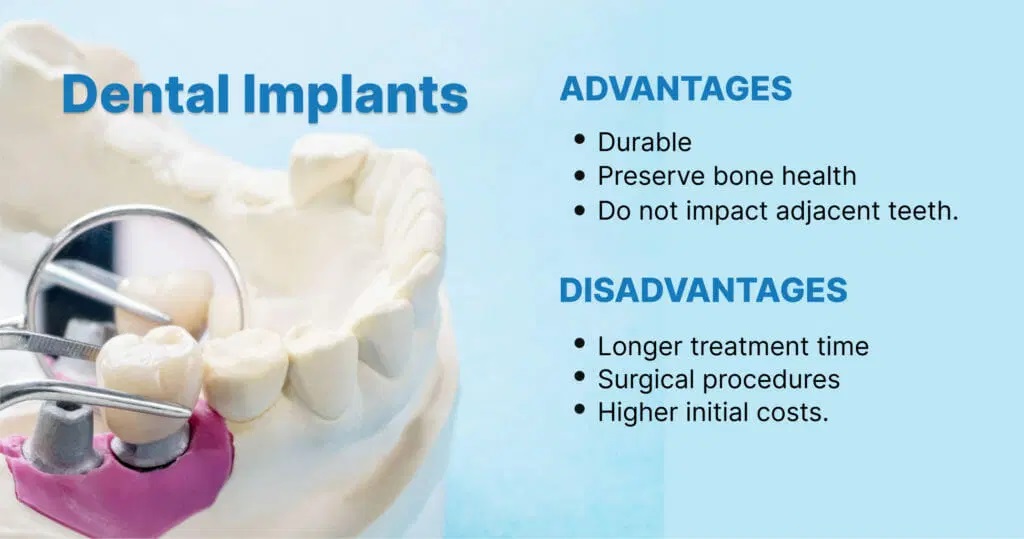
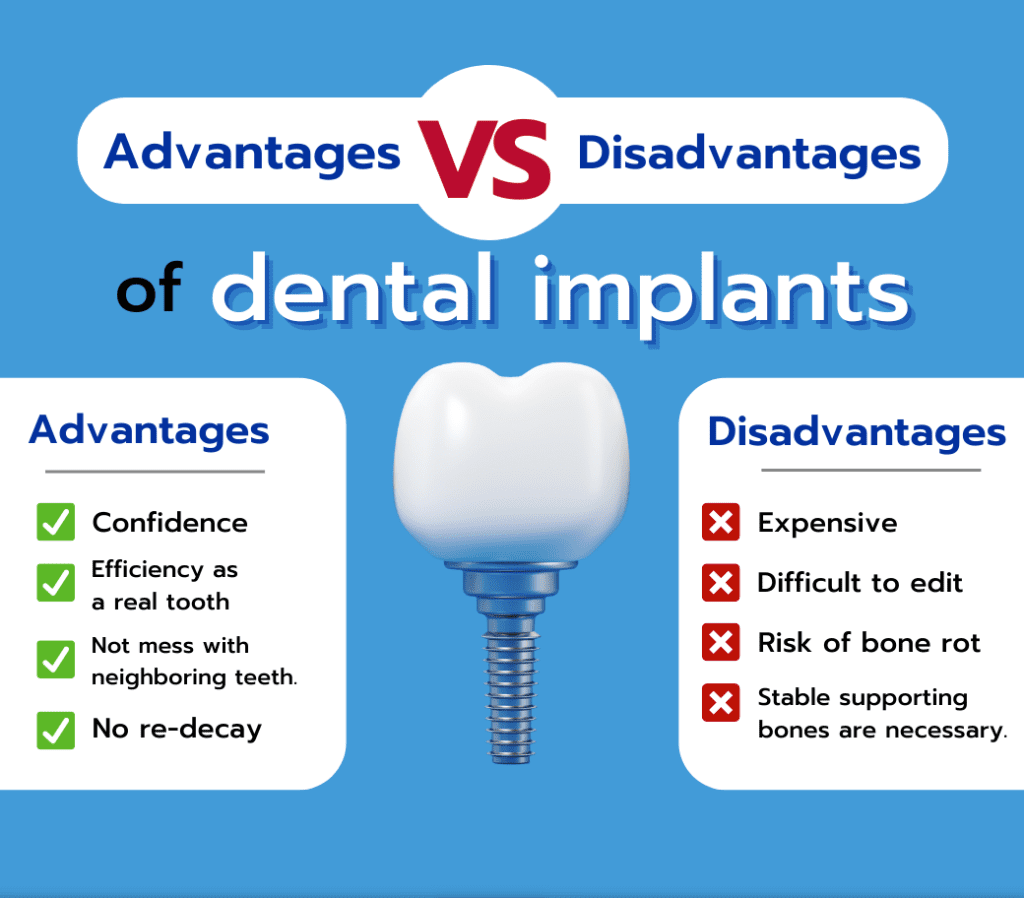
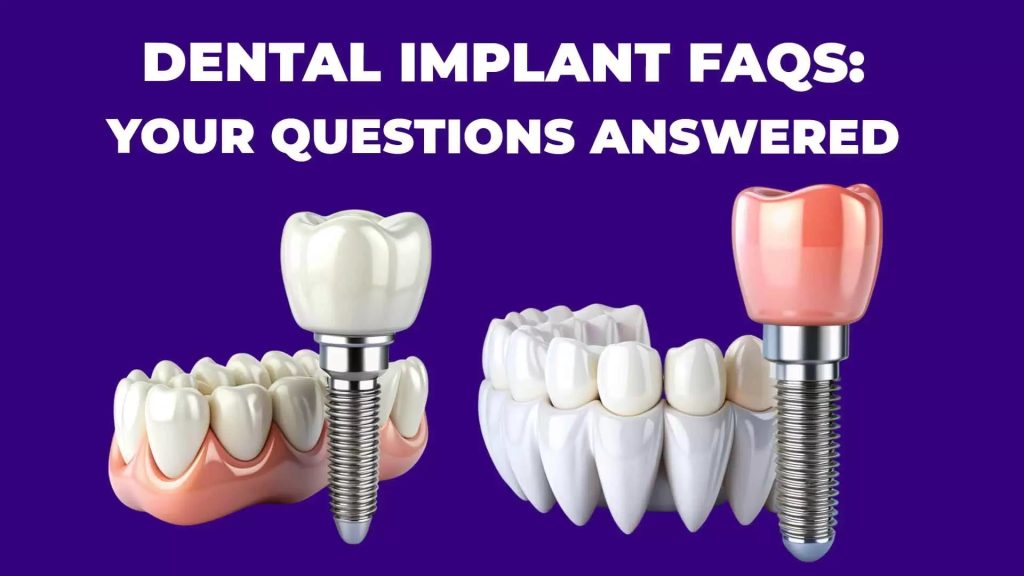
Dental implants are the procedure of placing an artificial tooth at the place of the missing tooth. Dental implants are a set of artificial teeth screwed with a metal base to keep the tooth strong and long-lasting. The screwlike devices are inserted into the jawbones that work like an anchor for this artificial tooth making it work like original teeth for the users.

How Dental Implants Are Done?

When you visit a dentist’s clinic, first dentist performs the complete diagnosis of removed teeth where the new tooth will be implanted. If everything is ok, the dentist will make a minor cut to open your gums to expose the root area. And now this portion is drilled to create the hole on which the metal screw will be implanted, later on, a tooth will be implanted.    

Also Read: Types of Dental Procedures Used for Treatment of Teeth Diseases

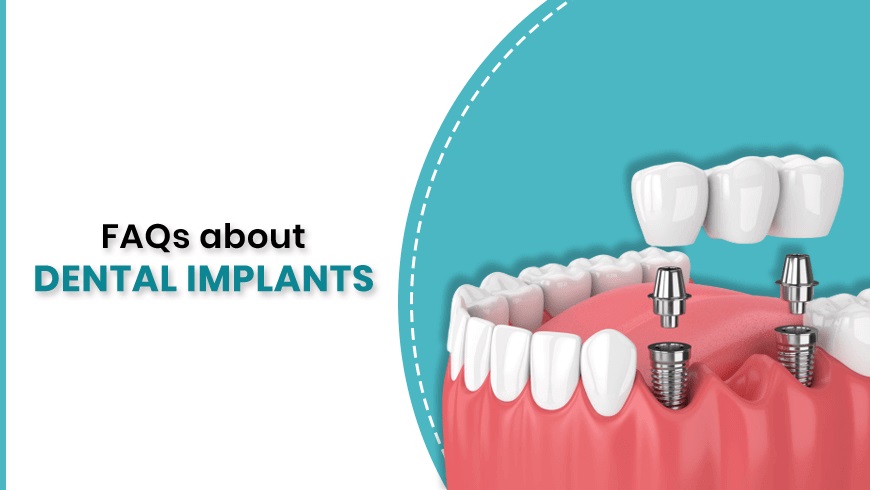
In the dental implant system, the abutment is attached to the implant body using an abutment fixation screw and extends through gums into the mouth to support the attached artificial teeth. In fact, the abutments are used to attach the replace the tooth with a new implant. There are 4 types of dental implants that dentists use to follow in dentistry. 

Types of Implants

What are the 4 Types of Implants?

There are different types of dental implants but four are the most popular and most widely used dental implants that you need to know. 

1. Endosteal Implants

This is the most commonly used implant done in the bone. A metal screw in a cylinder shape with blades holding the teeth for patients having bridges or dentures that can be removed. In this implantology procedure, a titanium roots-like screw is placed under the jawbone that keeps the replacement tooth held for a longer time.    

2. Implant-Supported Bridge

This is the type of implant that works as an anchor for the bridge to create the implant-supported bridges. Performed usually on three missing teeth, in which all three teeth are attached to each other, the implant is screwed on the first, and last tooth to create an implant-supported bridge.

The dental implant bridges restore the functionality of teeth helping people enjoy the original teeth with a natural chewing experience.  

3. All-on-4 Dental Implants

All-on-4 dental implants are suitable for people who don’t like to wear dentures. A titanium screw is positioned into a jaw replacing the root of the missing tooth. This critical implant procedure is performed with a small surgery to restore the upper and lower jaw.

A crown is connected to make the implanted jaw stable and work strongly. This is the permanent restoration of teeth providing the teeth structure with an original-like look, make easier for people to stay away from the dentures and need all the teeth.      

4. Implant Overdentures 

Implant dentures are another procedure of dental implant suitable for people who can bear the pain and discomfort of extracting the tooth. In this dental implant procedure, the overdentures are placed at the top of the implants providing stability compared to traditional dentures. 

One of the best advantages of overdentures is providing the natural chewing experience with better speech and very less discomfort. Here no denture adhesives are used and usually, existing dentures can be used to create the overdenture implants.  

How Long Does an Implant Tooth Last?

The life span of the dental implant depends on various factors like strength of jawbones, implant material quality, expertise in the installation and use of implanted teeth for regular chewing. However, dental implants are performed to provide permanent teeth to patients with the solid foundation of a prosthetic tooth.    

The implants are installed with a metal screw and have a long span of life from 15 to 20 years. But again depending on the quality of the material, implant procedure and use of implanted teeth make the life of such teeth work accordingly. Hence, make sure to get dental implant clinic near me services from an experienced dentist to get long-lasting implanted teeth.

Types of Dental Procedures Used for Treatment of Teeth Diseases

Types of Dental Procedures
Types of Dental Procedures Used for Treatment of Teeth Diseases

Dental problems are becoming more common among all age groups of people due to unhealthy lifestyles and bad eating habits. Even the young age of people is facing the various types of dental problems and some of them are facing the critical issues. But thanks to advanced treatment facilities all types of dental diseases can be cured with different types of dental procedures.  

Today in this article we are going to discuss about the types of dental procedures that are used to treat and care for different types of dental problems. You need to know about dental problems and the right procedures performed by the dentist. This article will also help you to know which dental procedure and when you actually require curing your teeth.    

Types of Dental Procedures

  1. Crowns & Bridges
  2. Dental Implants
  3. Braces & Orthodontic
  4. Teeth Whitening
  5. Root Canal Treatment
  6. Composite Tooth Filings
  7. Dentures
  8. Cosmetic Dentistry
  9. Teeth Extractions
  10. Scaling and Root Planing
  11. Treatment of Bleeding Gums

1. Crowns & Bridges Dental Procedure

What are Dental Crowns and Bridges for Teeth?

A dental crown is a type of dental procedure in which a broken, cracked or impaired tooth is covered with a porcelain-made crown. The main purpose of a dental crown is to protect your teeth from further damage or cracking due to extraordinary pressure during the strong bits or chewing. It is an artificial cap made from porcelain or ceramic that provides a natural look and feel.    

Conversely, dental bridges are another type of dental procedure in which a customized tooth is installed in the middle of the two teeth. As the name suggests, a dental bridge works like a bridge for a missing tooth in which an artificial new tooth is permanently placed with the crown to make it look natural and work like natural teeth. The artificial teeth used to create the bridge are made from materials like porcelain, alloys, gold or a combination of these materials.

When You Need Crowns or Tooth Bridges Dental Procedures?

  • To Replace Damaged, Cracked or Impaired Tooth.
  • To cover discoloured, malposition or malformed teeth.
  • To make the appearance of teeth look natural.

2. Dental Implants Procedure

What are Dental Implants and when do you need them?

A dental implant is a type of dental procedure performed to install the new tooth which is attached to the metal screw that is implanted into the jawbones to work like an anchor for the artificial tooth. Later the tooth is covered with a suitable crown.

The dental implant procedure can be performed for a single tooth or for multiple teeth either permanently damaged from the roots or extracted naturally. The dental implant procedure is performed to replace the existing tooth with a strong base to teeth for better stability to provide a natural eating experience with a smile and confidence on the face.    

When is a Dental Implant Required?

  • Replace the Missing Tooth
  • Protect the Damaged Teeth
  • Enhance the Teeth’s Life
  • For a Natural Eating Experience

3. Braces or Orthodontic Dental Procedure

What are Braces or Orthodontic Dental Procedures?

In braces or orthodontic dental procedures is performed to align the teeth of the people having the asymmetrical teeth structure. When teeth are not aligning properly it, looks weird, making people feel embraced while opening their mouths or smiling in public places.    

In braces or orthodontic dental procedures, dentists use metal-made wires to wrap them around the correct irregular teeth positioning. In orthodontic dental procedures, the braces used to align the teeth are made of metals, brackets and bands as per the needs and affordability of the customers. Usually Braces dental procedure or Orthodontic treatment is performed forjaw correction, smile aesthetics and to improve the chewing experience of the users.

Why Do You Need Braces or an Orthodontic Dental Procedure?

  • To align the irregular teeth structure
  • Prevent Tooth Decay and Cavity
  • Better Chewing Experience
  • To Make Teeth Look Nataly Good
  • Bring Simile and Confidence in People

4. Teeth Whitening Dental Procedures

What is a Teeth Whitening Dental Procedure?

Teeth whitening dental procedures are the process of making the yellow or pale teeth look natural. The dentist removes the stains and cavities from the teeth to restore with natural colour and structure. To perform the teeth whitening dental procedure dentists can use various techniques like laser bleaching, bleaching strips, bleaching pen, bleaching gel, natural bleaching or brushing. 

Why You Need Teeth Whitening Dental Procedure?

  • To Remove Stains and plaque
  • To Protect Teeth from Cavity
  • To Restore the Teeth Original Color
  • To Make Teeth Look Milky White
  • For a Better Smiling Experience

5. Root Canal Treatment (RCT)

What is RCT and When RCT is Necessary?

RCT or root canal treatment is one the most critical, time-consuming, costly and painful dental procedures in dentistry. RCT also known as endodontic treatment is performed to cure the teeth when it is damaged from the roots or you can say it is the process to cure teeth from the roots.

In RCT, the dentist removes and cleans the pulp of the infected teeth and then sterilizes the same to make the infected area free from germs and bacteria from its roots. After cleaning the infected area, the dentist fills the hollow area with suitable materials and then caps the teeth from the top to keep the teeth protected from bacteria and cavities with a natural chewing experience.  

Why RCT Dental Procedure is Necessary?

  • Badly Infected Teeth
  • Cavities or Decay of Teeth
  • High Level of Cavity
  • Intolerable Pain
  • Teeth Sensitivity
  • Avoid Teeth Extraction   
  • Swelling under Teeth

6. Composite Tooth Filings Dental Procedure

What is the Composite Filings Dental Procedure?

The composite filings dental procedure is used to repair cracked or decayed teeth. In composite tooth filings dental procedure a dental restorative material comprised of a mixture of plastic resin and powdered glass filler is used to fill the affected area. The composite filling protects teeth from cavities and provides strength and resistance to teeth. 

Why Do You Need Composite Tooth Filings?

  • Filling of the Infected Teeth
  • Protect Teeth from Cavity
  • Prevent Teeth from Decay
  • Fill the Gap Between the teeth
  • Cover the broken or damaged teeth
  • Provide Strength to Bite

7. Dentures Dental Procedure

What are Dentures in Dental Procedures?

Dentures are also one of the most sophisticated dental procedures in which the entire natural teeth structure is replaced with new man-made artificial teeth structures called dentures. When most of the teeth or all the teeth are extracted or naturally removed from the mouth, then a denture is placed inside the mouth to provide an artificial but natural teeth structure.

Dentures can be of two types – complete dentures and partial dentures are made from pigmented acrylic called polymethyl methacrylate and pigmented acrylic. The impression of the existing teeth structure is taken to make the denture and is removable or replaced with a new one. Dentures provide a full-fledged biting and chewing experience.    

When You Need Dentures?  

  • After the decay of all teeth
  • When cavities are eaten all teeth
  • When All Teeth Extracted  
  • To Replace the Entire Teeth

8. Cosmetic Dentistry Dental Procedure

What is Cosmetic Dentistry in Dental Procedures?

Cosmetic dentistry is the branch of dental procedure used to perform to improve the structure and appearance of the teeth and gums. The main motive and focus of cosmetic dentistry is to improve teeth with dental aesthetics like teeth shape, size, alignment, colour and position to make the entire structure more attractive for a better smile appearance.

To perform cosmetic dentistry, a dentist can use various other dental procedures like teeth whitening, porcelain veneers, dental bonding, composite bonding, implants, gum lifting, straightening, braces, bite reclamation or orthodontic treatment.

When You Need Cosmetic Dentistry?

  • To Align Teeth Structure
  • Make Teeth Look Natural
  • Dental Cleaning & Disinfecting
  • Prevents teeth from Cavity
  • Alignment of Teeth
  • Better Appearance of Teeth 

9. Tooth Extraction Dental Procedure

It is one of the shortest dental procedures performed to extract the teeth to remove the tooth from the roots permanently. A tooth extraction dental procedure is performed when there is no other dental procedure or treatment process like RCT or implants that is effective to cure or save the teeth. It is simply the procedure of removing the teeth where new teeth can be installed.

When Tooth Extraction is Necessary?

  • Permanently Damaged Tooth
  • Badly Infected Tooth
  • Broken or Impaired Tooth
  • Chronic & Intolerable Teeth Pain
  • When Implant New Teeth
  • When RCT is Not Effective

10. Tooth Scaling and Root Planing

What are Tooth Scaling and Root Planing Dental Procedures?

Scaling and root planing dental procedure is the process of deep cleaning of gums to protect teeth from infection and disease. Scaling is the process of removing the tartar from the surfaces of the teeth, while Root planing is the dental procedure of making the root surface smooth while removing the infected teeth to make the entire teeth structure.  

When Tooth Scaling and Root Planing Required?

  • When teeth lost
  • Loosening of teeth
  • Bone and tissues lost
  • Gums related problems
  • To correct the dental filling
  • Improper fitting of dental bridges 

11. Treatment of Bleeding Gums

What is the Treatment of Bleeding Gums?

In dentistry, bleeding gums refers to bleeding from the gums that can be caused due to gingivitis, periodontitis and other forms of gums disease. However, bleeding from gums can be also an indication of other issues like vitamin deficiencies, hormone fluctuations, diabetes and grinding of teeth. And when you brush hard, floss, or eat crunchy foods you can face such problems.

In medical terms, bleeding gums is also called gingival bleeding and it can happen when you have gum-related disease. However, bleeding gums can be due to plaque buildup on the teeth and on a serious note, it can be a sign of a medical condition.

Treatment of bleeding gums is another dental procedure that involves underlying issues to stop the bleeding of the gums and cure the actual cause of bleeding. To cure the bleeding gums problem, dentists perform various dental procedures like professional cleaning, scaling and root planing, scaling and root planing, medications and gum treatments.    

Why Need To Cure Bleeding Gums?

  • Blood coming out from gums.
  • Reddish colouring of the gums
  • Swelling of gums or Gingivitis
  • Bacterial Infection in the gums
  • Cuts in gums during chewing
  • Facing a Bad Breathing Problem

Apart from these types of common dental procedures, there are more dental problems that people can face can be treated with the help of a dentist. If you are staying best Dental clinic in Greater Noida and looking for a dentist to cure your dental problem, you can visit at Dr. Sinha Dental Clinic.

Here you will get world-class medical facilities and other amenities to perform dental procedures using the most advanced medical equipment and treatment process. Dr. Sinha is committed here to providing hassle-free and painless dental care and treatment at a reasonable cost.

What is a crossbite? Signs, effects and treatment

What is a crossbite? Signs, effects and treatment

A crossbite is basically a misalignment of a tooth or teeth where one or more teeth are positioned irregularly; they’re closer to the cheek or tongue, rather than their ideal position.

Crossbite can prevent jaws from closing properly, making it difficult to eat and speak. The situation can even have psychological effects and may cause you to lose your confidence.

Getting treated for this condition is vital because if you don’t, it can lead to the improper growth of the jaw, eventually resulting in one side of the jaw growing larger. This improper growth affects your entire facial structure.

What is a crossbite? Signs, effects and treatment
If not treated, crossbites not only impact the aesthetics and affect your smile but also lead to dangerous dental complexities.

Let’s find out more about this condition:

Signs Related To Crossbite
The two rows of teeth don’t touch each other
Not being able to speak properly and having a lisp
Biting on the inner cheek and tongue more often while speaking or eating
Pain in the jaw
Pain in one or several teeth
Severe headaches
If you have one or several of these symptoms, make sure to visit us at Kirkland Family Dentistry for an examination.

Effects Of Crossbite
Crossbite doesn’t only disorientate your smile and lip region but can cause other problems, too. These include:

Severe Headaches: Crossbites are closely linked to headaches, not only in adults but children as well. Teeth are not only used for chewing but to support your facial muscles as well. When your jaws aren’t properly aligned, it puts a strain on the jaw muscles and joints, which are linked with nerves that go to the brain. This causes headaches. Moreover, these nerves also run down our neck and shoulders and may cause severe pain in those regions.

Tooth Decay: It’s difficult to brush misaligned teeth due to their shape and position. Not being able to brush and floss properly can lead to tooth decay, as it’s easy for bacteria to hit a tooth that isn’t cleaned.

Painful Bites: Crossbite snatches the luxury of biting on hard things, making it difficult to even enjoy your favorite fruits at times. It generates unbearable pain; therefore, it’s important that you consider treatment before it gets any worse.

Treatment Options For Crossbites
Visiting a dentist in Kirkland WA should be your priority when you suffer from a crossbite. Crossbites can occur in children, teenagers, and adults too. There are a few reliable and effective treatment options that can treat your crossbite. These include:

Tooth Extraction: If there’s only a single tooth that’s misaligned due to overcrowding then tooth extraction can be done.

Braces: Braces like Quad Helix Expander and Rapid Maxillary Expander can be used to correct this condition. While braces tend to work slowly, they have proven beneficial and cost around $3000 to $8000. You’ll want to ask your dentist if Invisalign or Candid Clear aligners would work for you or your child.

Conclusion
Crossbites should never be ignored and must be treated as soon as possible to avoid further damage to the jaws and other teeth.