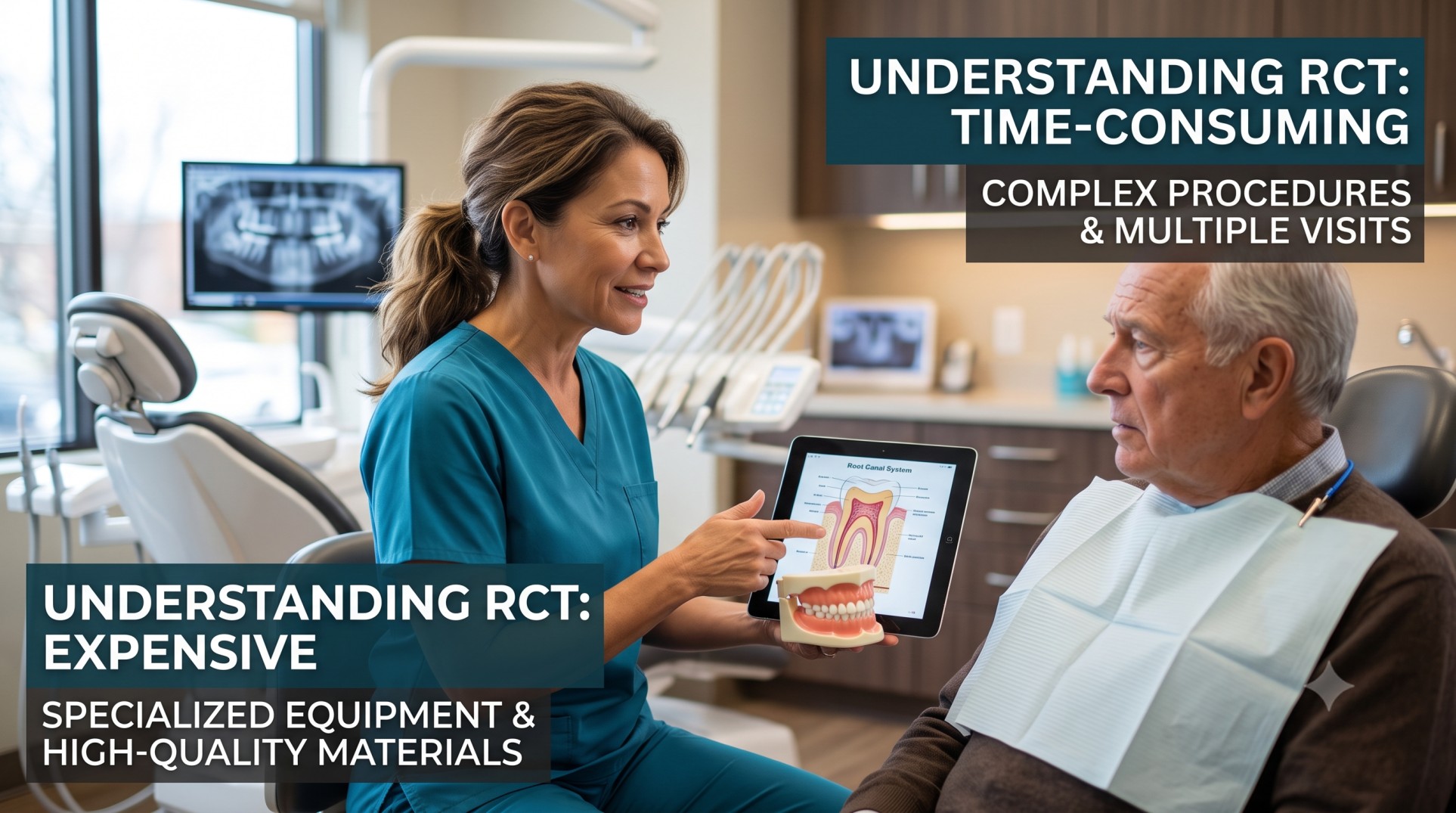
Root canal treatment (RCT) is one of the most critical dental procedures; not only does it take time but is also costlier compared to other dental procedures. However, it can save a tooth badly damaged with cavities and not able to be revived through filling or other types of dental procedures.
The dentist also tries to opt for other dental procedures to cure your teeth so that you do not get bothered with multiple visits that are especially required in RCT. High cost of treatment is another factor you need to think twice about before going through this treatment.
In respect of the same, we are going to discuss here why RCT takes time and is expensive, helping you to take the right decision at the time of going through such treatment to manage your time and cost of treatment.
What Exactly is Root Canal Treatment?
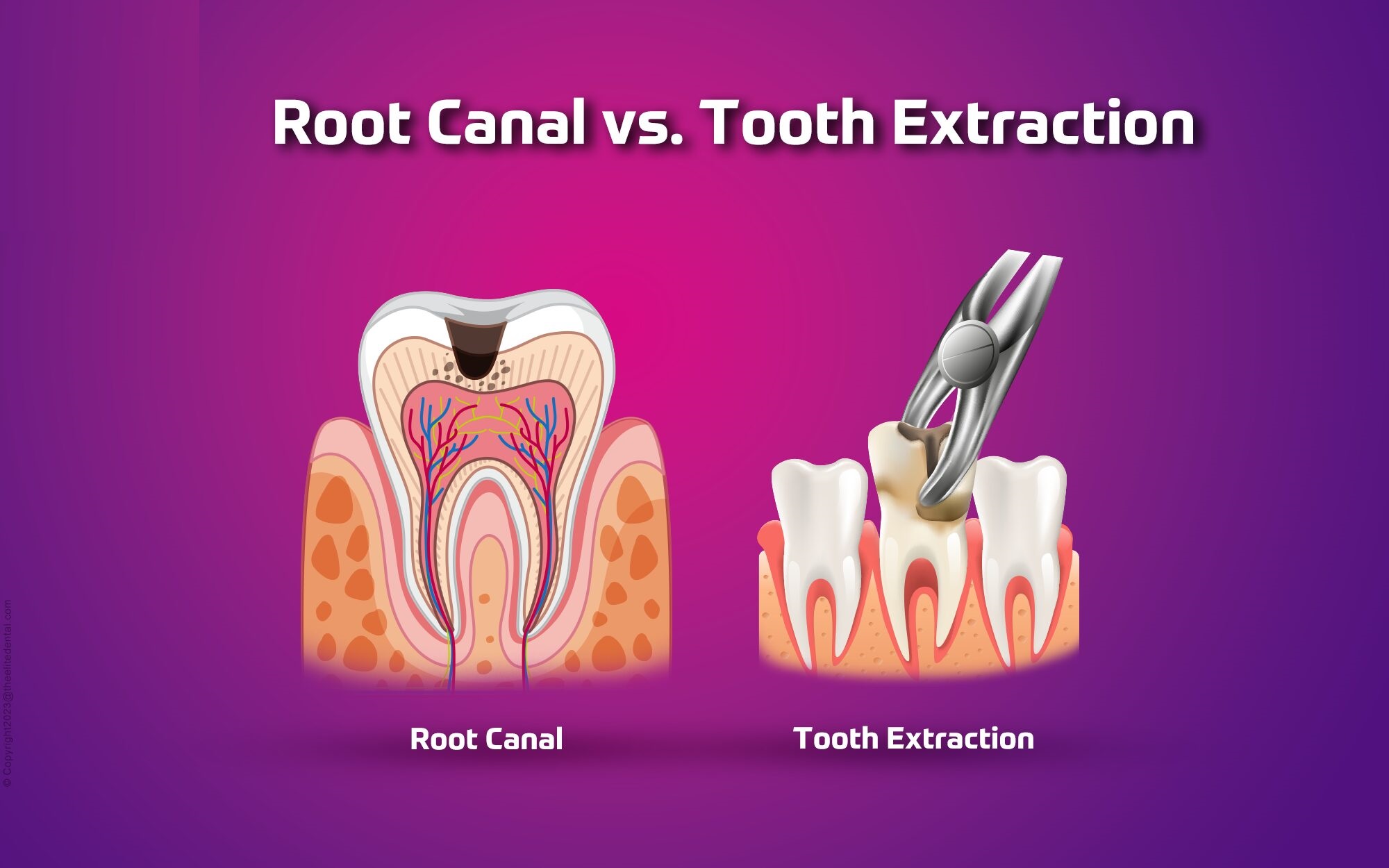
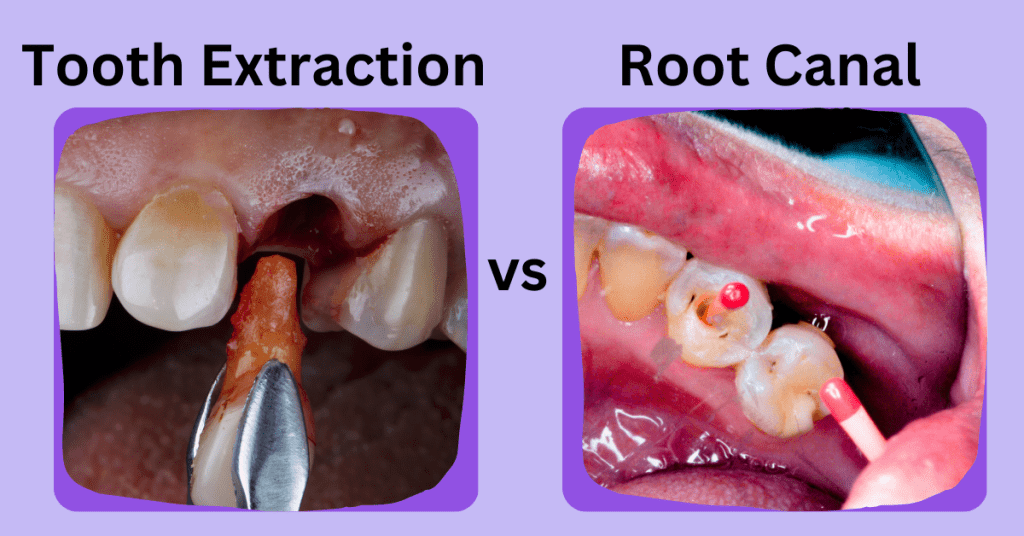
It is a dental procedure performed by the dentist to save a tooth that is badly damaged due to cavities or infected with tooth decay. During this treatment process, the infected pulp is removed from inside the tooth, and then the entire area is sterilised and cleaned professionally to perform the next stage.
After cleaning and disinfecting, the sealing and restoration process is performed to restore the tooth with suitable material and covered with a custom-made dental crown to restore its biting strength and appearance.
Why Root Canal Treatment is Time Taking?
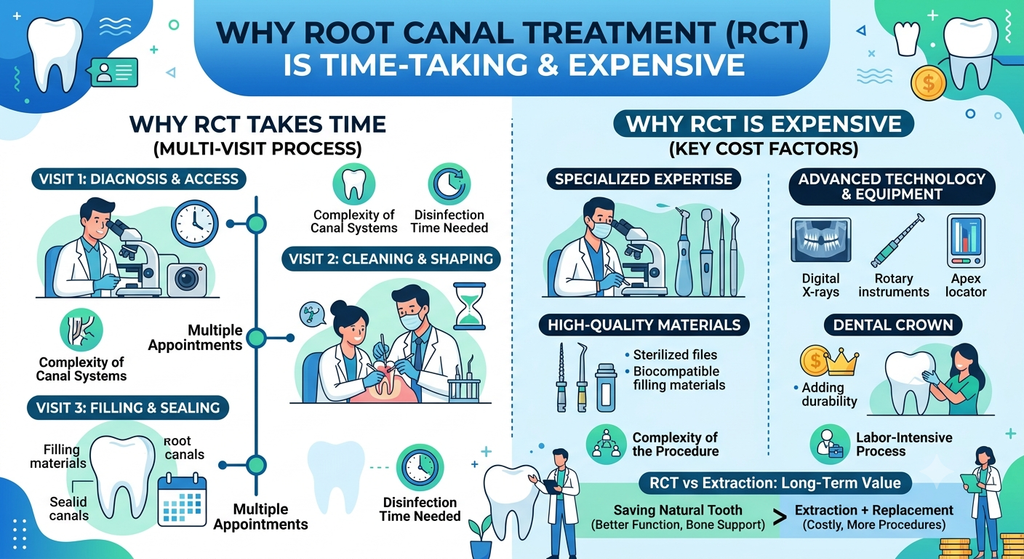
During the RCT, the dentist performs various stages of dental procedures one after another, and that might take several days to several weeks depending on various factors. Let’s find out what the stages, procedures and anatomicalfactors are that make this a time-consuming treatment process.
Tooth Location: The location of the tooth is one of the most important factors that can extend the RCT treatment time. If it is a back-side molar tooth, it would be difficult for the dentist to reach and perform the surgical process.
Thorough Cleaning: The cleaning process is also time-consuming, as it involves deep cleaning with pressurised air and water spray to wash out debris and bacteria and disinfect the affected area with a sterilised solution.
Hard Access for More Roots: If a tooth has multiple roots, it takes extra time to cut those roots carefully. The molar tooth has strong and deep roots that also need more effort to clean, disinfect and sterilise.
Complex Root Anatomy: Some canals of the roots are more complex or narrow, making it difficult for the dentist to perform the cleaning process, which also takes more time to complete cautiously.
Disinfection Process: Beforefilling, the roots are disinfected with antibacterial solutions to avoid abscess and prevent the tooth from infection. And sometimes it can take several days to several weeks to heal this area due to oral medicines used to completely heal the surgical area.
Precision Required in Shaping & Filling: Now another challenging factor is shaping the tooth and filling it with the suitable material. The canals are shaped to make them compatible for material filling and crowning.
Final Restoration: This is the last stage that also takes time, as after temporary filling, the tooth is covered with a dental crown to make it usable for normal chewing and prevent it from biting pressure.
Also Read: Dental Crown & Filling: Do You Need Crown After Dental Filling
Why Root Canal Treatment is Expensive?
The cost of treatment for RCT is also high compared to other dental procedures. Apart from extra time and effort, various other factors make this treatment process expensive. Let’s find out why RCT is so expensive or why you need to pay a high cost of treatment for this dental procedure.
Tooth Location: The front teeth have fewer roots compared to molars, making them less expensive and time-consuming. Molars have multiple roots with complicated canals, making it difficult for the dentist to perform the treatment procedure, which also increases the cost of treatment.
Severity of Infection: If the tooth is badly infected with a deep abscess and needs more time and effort with critical drainage procedures through multiple visits, it will cost you more.
Also Read: How to Treat an Abscess Tooth: Best Treatment and Remedies
Tooth Crowning: RCT also includes the crowning of the treated tooth to make it look natural and provide strength and function for chewing and biting. The cost of crowning also increases the cost of RCT, as there are different types of crown and bridge available in the market.
Technology Used: More advanced technologies, equipment and methods such as digital radiography, rotary instruments, and surgical microscopes used in the treatment procedure not only provide more precise treatment but also increase the overall cost of root canal treatment.
Quality of Material Used: Similarly, the type and quality of material used in composite filling, crowning and other supplies will have an effect on the cost of treatment.
Multiple Visits: The RCT is not a one-day dental procedure; it can be performed and completed only after multiple visits. And visiting the dentist multiple times will add more cost of consultation, transportation and medication, increasing your overall treatment procedure.
Geographic Location: A dental clinic located in a metropolitan city will have high operational costs and also charges fees for treatment as per the living standard of that area. The RCT treatment at the best dental clinic in Greater Noida will be less compared to posh areas in Delhi or other metropolitan cities.
How to minimise the time and cost of Root Canal Treatment?
Though RCT need extra time and cost to complete the process, there are various things you can keep in mind to plan your RCT treatment accordingly; you will not only save the cost of treatment but also minimise the time and effort required to perform this dental procedure.
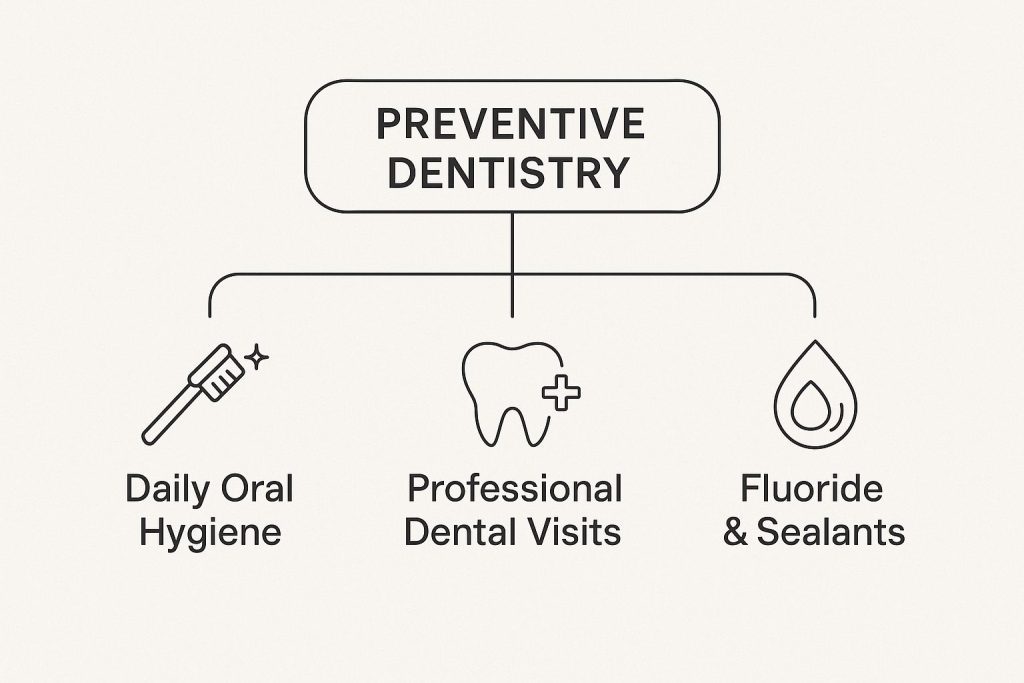
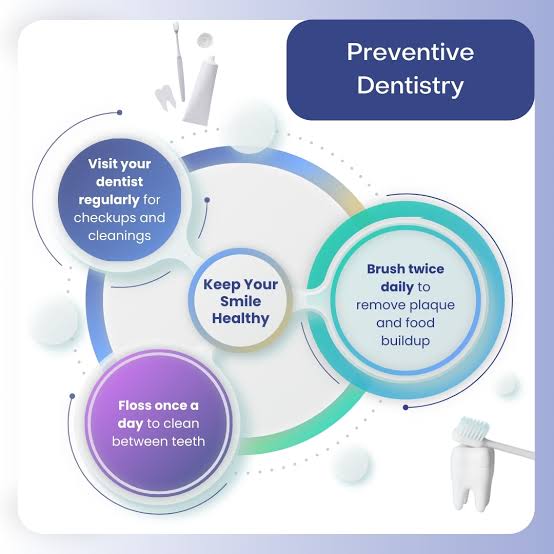
Maintain Oral Hygiene: To avoid such critical dental problems, you should take care of your teeth with proper care like regular twice-daily brushing, rinsing, and flossing after consuming food and beverages. Use fluoride-based toothpaste and avoid high-sugar and starch-containing food and beverages.
Maintain Regular Dental Check-ups: To prevent your teeth from decay and cavities, you need to regularly visit the dentist and get regular check-ups and oral examinations to detect critical issues.
Also Read: How to Get Rid of Tooth Decay: Natural Ways Remove Cavities
Timely Consultation for RCT: If any of your teeth is showing pain or discomfort, you need to visit the dentist in a timely manner for early examination and timely treatment to avoid the RCT as a critical treatment.
Also Read: How You Know if You Need a Root Canal Treatment: 7 Symptoms
Get Medical Insurance: To avoid bearing such high costs of treatment, you should take medical insurance that also includes the cost of such dental procedures or endodontic treatments.
Choose a General Dentist: Visiting dental specialists like endodontists will cost you more, as they charge higher consultation and treatment charges. You can get the RCT at a general dentist, who can also effectively perform the RCT at a more affordable cost.
Visits at Affordable Clinic: Similarly, visiting a dental clinic located in metropolitan cities or in posh areas will cost you more, compared to an urban or town area dentist who can also perform the RCT at low cost.
Negotiate Payment Plans: As per your budget, you can also negotiate the overall cost of treatment and discuss payment options with your dentist. You can pay in instalments or ask for cash discounts.
Final Words
Root canal treatment is a time-consuming and expensive dental procedure due to the critical examination and treatment process. The entire treatment is performed through different stages with multiple visits that involve cleaning, disinfecting, filling, polishing and crowning with final restoration.
However, if you take care of your teeth and visit the dentist for regular checkups to cure cavities or remove dental caries and detect such critical dental problems, you can avoid going through RCT. Apart from that, instead of going to a high-society-located dentist, if you visit your nearest best dentist for root canal treatment in Greater Noida, you can minimise your cost of treatment.
Also Read: Top 10 Frequently Asked Questions About Root Canal Treatment