5 Signs of Infection Not to Ignore After Root Canal Treatment

signs of infection after root canal
5 Signs of Infection Not to Ignore After Root Canal Treatment

Root canal treatment or RCT is one of the most critical, time-consuming, expensive and one of the most effective dental treatments to preserve your teeth. The dead from its roots can be made usable with the help of RCT, providing new teeth to the people.

As we said, RCT is one of the most critical or complicated dental procedure that need extra care and precautions to avoid any complications. After RCT, many people suffer from infection and other problems that should not be ignored. Today, here we are going to discuss about the five signs of infection after a root canal that you should never overlook and take quick action for the right treatment.     

What is Root Canal Treatment?

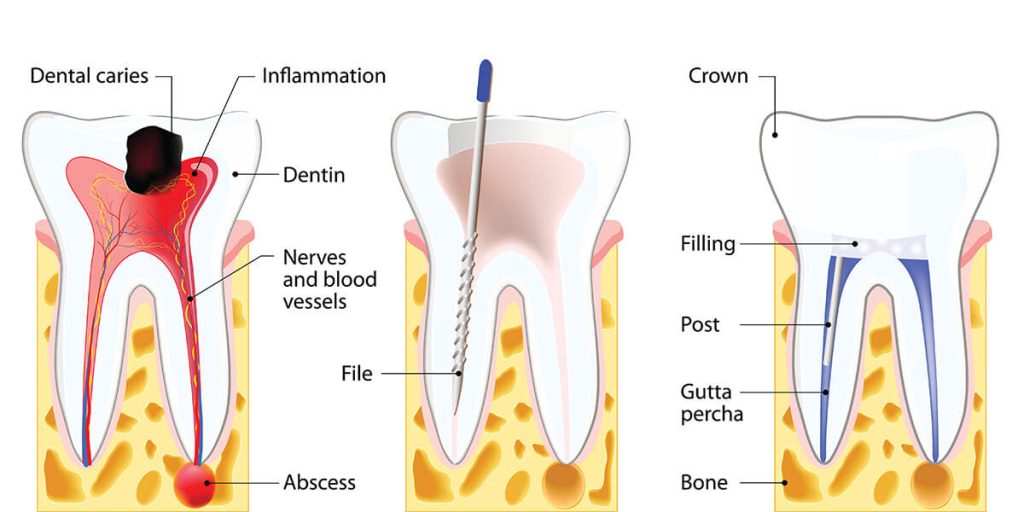
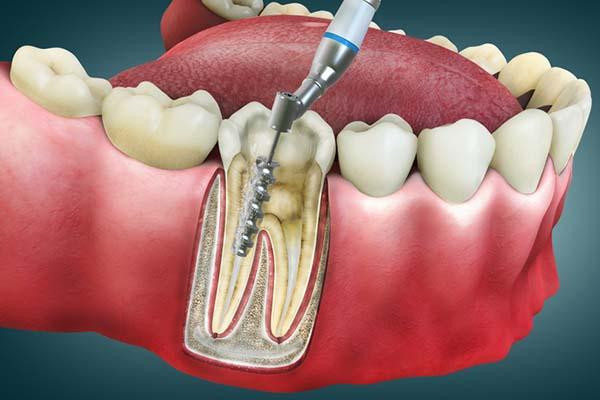
RCT is a kind of dental procedure in which a dentist or dental specialist removes the infected pulp from the damaged tooth. The pulp contains nerves and blood vessels that are cleaned from inside the tooth, and the inner circle is disinfected to fill it with suitable material.

Also Read: How You Know if You Need a Root Canal Treatment?

In RCT, the tooth is disconnected from the roots to prevent any further infection and save the tooth from permanent damage. And after this treatment process, a crown is placed to give protection to the tooth and make it usable to chew certain food items normally.

signs of infection after root canal

5 Symptoms of Post-Root Canal Infection:

1. Pain in the Tooth

Though after RCT, a few days after RCT, if you can realise the pain that may remain for a few days, it starts to stabilise gradually and should be completely gone. However, if you still have pain that persists or is getting worse while chewing or biting foods, it could be an indication of infection. The pain could be mild, severe or normal, but if you feel such pain even after long days of RCT, then don’t ignore it.      

2. Teeth Sensitivity

Though it is another dental problem people might face if their teeth are damaged with cavities or affected by other dental problems. And after going through the RCT, you can feel the mild sensitivity in your tooth that should disappear after a few days.

However, if after RCT your sensitivity problem is not cooling down and getting worse, then you need to take it seriously and visit your nearest best dentist in Greater Noida. Ignoring the tooth sensitivity after RCT can lead to gum swelling or make it difficult to consume normal drinks or food items.

3. Swelling Around Gums

Immediately after RCT, your mouth swells due to the surgery. However, if after a few days of RCT, the swelling is visible around your face, then it could be an indication of infection. If you do not get the relief or swelling is not reducing from the medicines, you need to visit the dentist immediately. In severe conditions, you can face difficulty opening your mouth or speaking properly.

4. Discharge of Pus

The formation of an abscess in your RCT-cured teeth could be another sign of infection that you should not ignore. The pus or pimple-like abscess on the gums can lead to a bad taste in your mouth. Hence, you need to cure such infected discharge coming from your infected teeth. 

The reason behind pus in the tooth after RCT could be due to an infection that might occur because of not taking care of the precautions recommended by your dentist. Or the dentist has not properly removed or cleaned the infection while performing the root canal treatment in your mouth.  

5. Tooth Losing Strength

If, after RCT, the treated tooth became loose and you are facing the chewing problem or having pain, it means the infection beneath the teeth is making the tooth weak and loose. And sometimes you might not feel any pain or sensation in your RCT-cured tooth, as during this dental procedure, the roots are disconnected from the tooth, and you can’t feel any sensation in your tooth.

signs of infection after root canal

Reasons Behind the Infections After RCT

Poor Oral Hygiene: Living with an unhygienic lifestyle attracts bacteria and infections in your body. Similarly, to take care of your teeth, you need to keep brushing twice, flossing after food consumption and avoiding consuming tobacco products that can damage your teeth.  

Improper Care: After going through the RCT, you need to take care of the cured tooth with extra care and precautions. And if you have not followed the dentist’s prescription, you might face such infections in your tooth. You need to take extra precautions while consuming various foods immediately after RCT.

Bacterial Attacks: The tooth treated through RCT becomes more susceptible towards infection and bacterial attacks. Hence, you need to take proper medication of antibacterial medicines and also take care of your teeth to prevent them from any harmful bacteria or infections.     

Weak Immune System: Last but not least, the recovery level after RCT is highly dependent on your immune system. If your immune system is weak or you are suffering from other diseases like diabetes, extended stress or autoimmune diseases, then there is a risk of infections.

Final Words

The root canal treatment is a critical dental procedure; hence, there are higher chances of infections if precautions are not taken post the RCT. Post RCT, if you have any persistent pain, swelling, sensitivity in the tooth or notice any pus discharge, it could be a sign of infection in your tooth. But if you spot the signs of infection at the initial stage, it can be cured in time with the right medication.

As per the dentists, depending on your immune system and chances of bacterial attacks, such infections arise.  However, if you take care of your teeth and maintain oral hygiene, you can avoid such infections. And for the best root canal treatment in Greater Noida, you should visit Dr Sinha Dental Clinic, which provides a one-stop dental care and treatment solution at very reasonable charges. 

How You Know if You Need a Root Canal Treatment: 7 Symptoms

Root-Canal-Treatment
How You Know if You Need a Root Canal Treatment: 7 Symptoms

Root canal treatment, or RCT, is one of the most critical dental procedures in dentistry that is usually performed when there is no alternative left to prevent teeth from cavities. Though when the tooth condition is worse, removing it permanently from the roots is the last option to get a new tooth.

However, apart from RCT, there are multiple other dental procedures performed to remove cavities or protect the tooth from harmful bacteria eating the tooth enamel. But the question is, how do u know if you need a root canal treatment to solve your dental problem? Here we are going to discuss about the RCT and the situations or circumstances when you realise you need this treatment.

What is a Root Canal in Dentistry?

RCT is the process of removing the infected pulp from the inside cavity of the affected tooth. The dentist cleans the infected area, including the pulp from the canals, and disconnects the same from the roots. So that your tooth is prevented from further damage and saved from infections. Inside the tooth, under the white enamel and hard layer of the dentin, there is dentin, known as soft tissue, or it’s called the pulp.

Also Read: Top 10 Frequently Asked Questions About Root Canal Treatment

And this pulp contains the blood vessels, nerves and connecting tissues that help the root of your tooth during development. And due to prolonged cavity or deep decay and infections, this pulp is inflamed, infected or dead, making your teeth useless and painful. And after performing the RCT, your tooth is disconnected from the tooth and becomes dead, resulting in the teeth no longer feeling any sensation like sensitivity from hot or cold food or beverages, but you can chew the foods.           

Need a Root Canal Treatment
When Do You Need a Root Canal – Icard

When do you need a Root Canal Treatment?

Though there are multiple reasons and stages where you need to get the RCT to save your teeth and make them usable for chewing like normal teeth. From normal pain to extreme agony or infections, cavity, decay, plaque or broken teeth in severe condition, all can be reasons when you need to go through the RCT. However, there are still certain common symptoms and infection levels where you need RCT. Let’s find out. 

7 Signs You Need a Root Canal Treatment:

#1 Persistent Pain in Tooth

If you have continuous pain in the tooth for many days, it means there is a bigger problem causing the pain and discomfort. However, the level of pain may vary from person to person; it may be mild or severe, but persistent pain in the teeth can be a result of deep infections in the roots of the teeth.

The reason behind the persistent pain in the teeth could be from simple holes to deep cavities or gum-related diseases. Such severe pain and discomfort can sometimes be treated only with the help of root canal treatment. However, before you go through the RCT, you need to consult with the dentist and check if the persistent pain can be treated with any other dental procedure or RCT.   

#2 Badly Fractured Teeth

The tooth fractured or cracked due to an accident or biting a hard substance allows the bacteria to enter the inner layer of your teeth. And such bad bacteria can cause tooth decay and severe infections, which can later become one of the biggest reasons to damage the enamel and dentin of the teeth.  

If the tooth is badly injured and fractured, the pain needs to be treated with the right dental procedure. However, if there is no cavity or tooth decay, but if it is cracked or damaged from the roots, it can be treated through the RCT. As the root canal treatment can disconnect the roots of the teeth, and later the restoration and capping protect the teeth and allow a normal chewing experience. 

#3 Extreme Teeth Sensitivity

The sensitivity in the teeth is already a big problem, making it difficult for people to consume hot or cold beverages. When your teeth are sensitive, you feel a sensation while sipping a cup of tea or enjoying a cone of ice cream. As soon as extra hot or cold liquid touches your teeth, you feel a sensation in your teeth, and when it becomes severe, it is painful to have such liquids or food beverages.   

Also Read: How to Cure Sensitive Teeth & Treatment for Sensitive Tooth

The teeth become sensitive when there is severe tooth decay of a prolonged cavity, eating away at the enamel and breaking down the internal tissue. And when teeth sensitivity becomes highly painful and intolerable, you need to cure it through root canal treatment. The RCT will cut off the tooth connection from the roots, and you will not feel any kind of sensation or pain while consuming the cold or hot food items.

#4 Unable to Chew the Food

This is like a painful experience, especially when trying to bite or chew any food item, which means your teeth are infected with bacteria and cavities have eaten the enamel, making your teeth fragile. In such a situation, if you put hard pressure on your teeth, they can break down or crack.

Also Read: What Foods That Makes Your Teeth and Gums Healthy and Strong

Apart from that, your tooth becomes loose, not allowing you to bite or chew on it due to pain and infection. In such a situation, you need a root canal treatment that will not only make it stronger but also remove infection, enabling you to bite or chew all types of food items.

Need a Root Canal Treatment

#5 Deep Decay or Cavities

When the cavity becomes worse or there is deep tooth decay, your tooth will not be able to bite or chew food. Though for most of the tooth problems, cavities are responsible and when your teeth are going through deep decay due to cavities. And when a cavity eats the enamel, it further reaches to dentin and then affects the pulp, eventually reaching to the nerves and blood vessels.

The tooth infected by the deep cavities means your tooth needs the right dental procedure to cure the cavities and decay. According to most dentists, a tooth deeply infected by cavities can be treated through RCT, which will not only remove cavities but also clean and sterilise the affected area. The RCT is the most suitable dental procedure to cure teeth affected by deep cavities.    

#6 When Fillings Don’t Work

Initially, when your tooth is affected by cavities, there is a hole that makes the tooth hollow from the inside. And when you have a kind of hole in your teeth, the food particles get stuck while chewing and remain there, causing infection and pain. The dentist usually cleans such infected holes and fills them with composite filling materials like composite resin, porcelain, a ceramic material or silver and gold-coated metal.      

Also Read: What is a Composite Filling: How it is Done & Take Care of it

However, many times these fillings don’t work and come out of your teeth, exposing your teeth to bacteria and infection. The reason behind the failure of a dental filling could be from improper filling procedure to quality material or chewing a hard substance, putting extraordinary pressure on the tooth. Here, the root canal treatment is the last option to cure the affected teeth for long-lasting performance.   

#7 Frequent Dental Procedures 

Last but not least, when your particular tooth undergoes the different types of dental procedures like braces, teeth whitening, dental filling or dental implants, it can be badly affected by such multiple treatment procedures. The frequent dental procedures can make your teeth fragile, making you unable to resist any further medical treatment, especially fillings, implants or bridges.        

Also Read: Why Dental Implants Are Important and its Benefits

Here you need root canal treatment, which is the last dental treatment that could save your teeth from bacteria, sensitivity and cavities. However, if RCT doesn’t work, it means you need to remove your teeth permanently from the roots to get rid of the cause of the problem. However, if you visit the Dr Sinha Dental clinic for RCT, you can get the best root canal treatment in Greater Noida here at reasonable charges.

Top 10 Frequently Asked Questions About Root Canal Treatment

faqs on root canal treatment
Top 10 Frequently Asked Questions About Root Canal Treatment

Root canal treatment (RCT) is one of the most critical treatment procedures in dentistry that creates lots of questions among the patients when they go through or are recommended to get this treatment. However, this dental procedure is not only critical but also painful, time and expensive.      

Similarly, many questions arise when you listen to RCT and you might be also curious to get the right answers about the questions related to RCT. Hence, to clear the myths and get the right answer about RCT we have brought here the top ten frequently asked questions about root canal treatment.

Top 10 FAQs Regarding Root Canal Treatment:

Q. 1. What is Root Canal Treatment?

Ans. Root Canal Treatment (RCT) which is also called endodontic therapy in dentistry is a kind of dental procedure used to treat the infections in tooth pulp, from the innermost layer of your teeth. RCT is considered to save your teeth that are badly damaged due to cavity or tooth decay and nerve infection.

Also Read: How to Protect Teeth from Cavity Growing and Getting Worse

The RCT helps to save such critical teeth by cleaning all the infectious pulp and filling it with suitable material to revive its condition to make it usable for normal chewing. The RCT can be performed for any teeth including frontlines and molars depending on its health condition. The entire procedure is time-consuming and complicated needs multiple visits at the dentist to complete the process.    

Q. 2. How Root Canal Treatment is Done?

Ans. The RCT is done with the long treatment in which various stage of dental procedure is performed step by step in many days. The dentist first diagnoses the condition of the tooth and while performing the RCT can use anesthesia to minimise the feeling of pain. Afterwards, the pulp is removed and an infected portion is cleaned and sterilized using solutions like sodium hypochlorite or chlorhexidine to eliminate any remaining bacteria. 

In the next visits, the affected area is again cleaned and filled with biocompatible material, like gutta-percha to prevent the teeth from cavities or infection. Lastly, the permanent filling may be placed to seal the access opening or the dentist might use the crown to protect teeth and provide extra protection from normal wear and tear. Your RCT is completed with new teeth restored to the original look.     

Q. 3. Why Root Canal Treatment is Required or Important?

Ans. RCT is performed to save your teeth that are badly damaged because of prolonged cavities and tooth decay. When RCT is performed the infected pulp or soft tissue inside care is removed to prevent the gums from swelling and protect other nearby teeth from further infections. People having teeth affected with deep decay, trauma, or cracked and become hollo due to cavity require RCT.  

Also Read: How to Get Rid of Tooth Decay: Natural Ways Remove Cavities

Other important reasons behind performing the RCT treatment are preventing teeth structure from speeding the infection, providing relief from pain and sensitivity and maintaining the oral health of the people. This dental procedure helps to preserve your natural teeth while restoring their functionality and aesthetics. In some cases, RCT is cost-effective compared to other dental procedures. 

Also Read: What are the Causes of Sensitive Teeth? Reasons for Sensitivity

Q. 4. How Painful is Root Canal Treatment?

Ans. When your teeth are infected with bacteria and infection, you already realise lots of pain and discomfort. Curing this dental problem is very important to prevent infection from further spread and save your teeth. However, going through the RCT treatment is also a painful procedure. However, the dentist gives anaesthesia to minimize the impact of pain and discomfort during the RCT.  

During the procedure when the dentist removes and cleans the pulp and infection, you might feel the pain, but anaesthesia will not be able to realise the least pain. However, after this pulp and infection removal when you go back to your home, you might feel the pain, but the dentist will give you medicines to relieve from pain and cure the injury that happened during the surgical process. After the final restoration of teeth, your pain will be normalised and you will not feel any pain and discomfort because of RCT.   

Q. 5. Why Root Canal Treatment is Painful?

Ans. The main cause of infection before RCT is the infection or inflammation in the pulp causing severe pain, sensitivity, and swelling. While during the RCT a necessary surgical procedure is performed that can cause the pain. Dentists use certain tools and apparatus to remove the infection and pulp that cause some pain and discomfort during the RCT procedure. However, the pain impact can be minimized with anaesthesia.

On the other hand, after RCT the pain could be because of multiple reasons like any infection remaining under the teeth. If your tooth nerve got damaged or fractured could be other reasons behind the pain post-RCT. The hard biting or improper alignment and swelling of teeth putting extraordinary pressure on teeth also cause pain and discomfort after RCT. 

 Q. 6. How Long Does Root Canal Treatment Take?

Ans. Performing the root canal treatment is a critical as well as time time-consuming process. However, depending upon the type of tooth, tooth condition, severity of the infection, availability of the patient and capability of the dentist it can take from a few days to many days to complete the entire treatment procedure. Unexpected complications or further restoration of teeth like crowns can take this procedure few more days.

Unusually, one day is required to diagnose your teeth condition, in the next visits you will get your infected teeth cleaned and sterilized and further visits for the filling and in the final round you can get the crown and final touch to your restored teeth with the RCT. If there is no infection or pain after RCT you don’t need to visit anymore, while in case of complications, you have to visit the best dentist in Greater Noida.     

Q. 7. How Long Does Root Canal Treatment Last?

Ans. The longevity of teeth cured through root canal treatment depends on individual factors like the type of material used in the RCT procedure, the presence of complications and care or precautions taken by the patient. Usually, the teeth can last up to 10 to 15 years or even a lifetime if proper care is taken.   

The factors that affect the lifespan of RCT are proper aftercare like regular brushing, flossing and dental check-ups. The restoration work like placing the crown and filling are other factors that affect the life of RCT. Moreover, the location of the teeth, age and health condition of the patient or severities of the infection are other important factors ensure the longevity of the RCT-cured teeth.  

Q. 8. What are the Side Effects of Root Canal Treatment?

Ans. On one side, root canal treatment is useful to get a highly effective and safe dental procedure to save your teeth. But other side it also has some side effects that make this dental procedure less popular among people. Temporary discomfort, swelling, minor infection and sensitivity are the common side effects of the RCT that anyone can realise after going through this treatment procedure.  

Also Read: Types of Dental Procedures Used for Treatment of Teeth Diseases

Q. 9. What is the Cost of Root Canal Treatment?

Ans. The cost of root canal treatment depends on various factors like the location of the dental clinic, dentist consultation fees and treatment charges and affordability to pay the cost by the patients. However, in India, the general cost of root canal treatment can range from Rs 2,000 to Rs 10,000 per tooth. In rural areas, the cost of RCT is cheaper than in urban areas of metropolitan cities.

The costs of treatment vary not only due to location but the type of RCT performed. A general root canal can cost between Rs 2000 to Rs 5000 for every single tooth. While laser-assisted root canal treatment can cost you from Rs 10,000 to Rs 25,000. Similarly, treating the back teeth or molar teeth is more complicated and can cost you more compared to the front teeth. If you get crowns and bridges on such teeth, the overall cost of RCT can increase more compared to normal treatment procedures.

Q. 10. Why Root Canal Treatment is Expensive?

Ans. Yes, it’s true, the cost of root canal treatment is higher than various other dental procedures. The reason behind the high cost of treatment is because of the level of complexities, expertise and technology involved while performing this dental procedure. In fact, to perform the RCT an extra level of precision is required with extraordinary care and precautions to ensure the safety.    

Apart from multiple visits, the type of material used in RCT, the technology used for diagnosis and medical examination and treatment procedure, the retreatment is the other prime factor that can increase the cost of RCT making it one of the most expensive dental procedure in the dentistry. To avoid such high cost treatment you can visit at your nearest dentist in Greater Noida for low-cost RCT with best results.