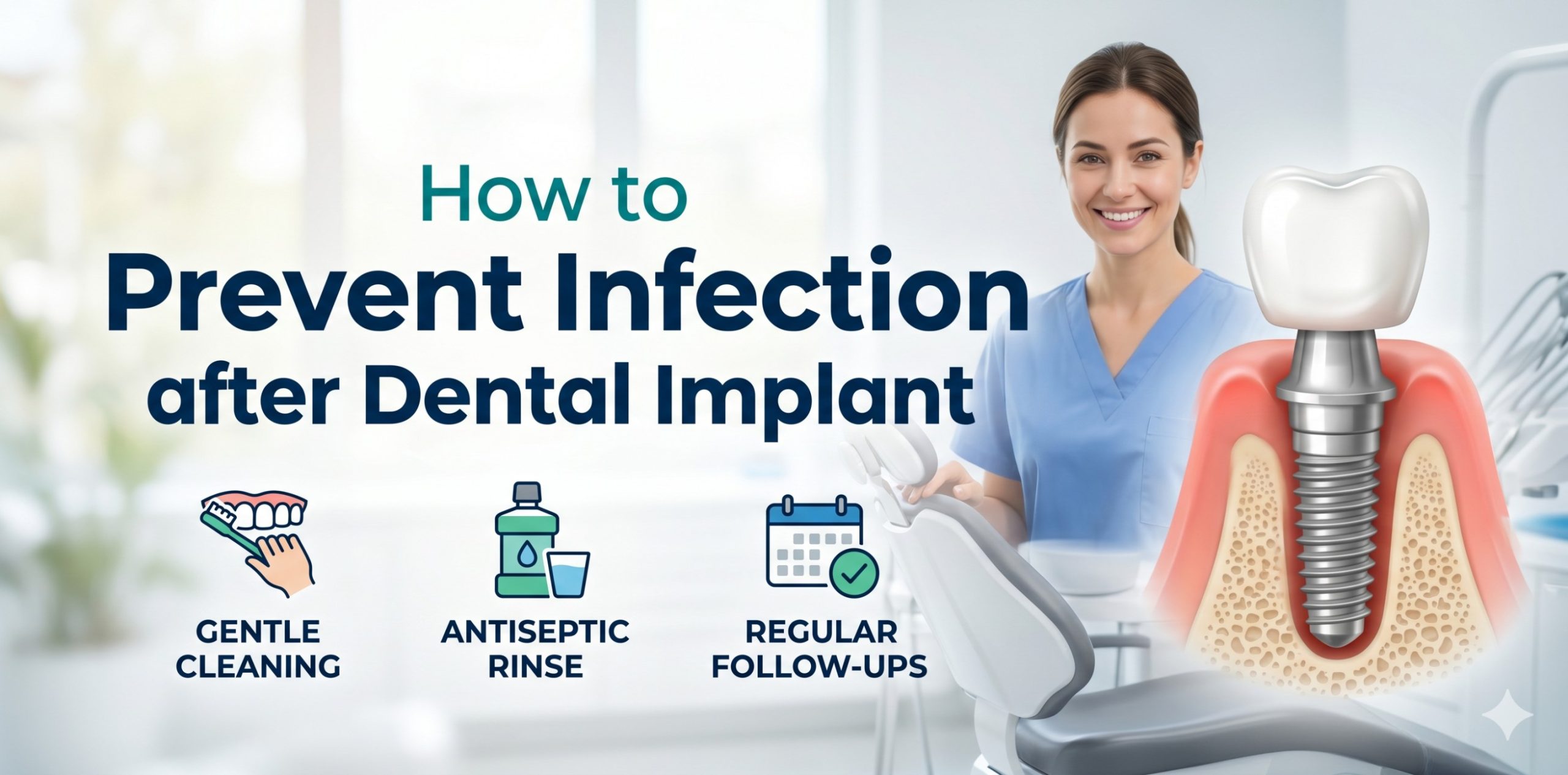
“Prevention is better than cure”, this idiom is applicable everywhere when it comes to matters related to your health. In dentistry, there is a term “preventive dentistry” used to take care of your teeth and gums. Though it is not a dental procedure or treatment, it is a practice to avoid dental diseases.
In fact, it is like self-care and maintenance of your teeth to prevent it from various diseases. It also involves dental professionals recommended various preventive measures, precautions and doing certain tasks to take care of your teeth and prevent it from serious dental problems.
Today, in this article, we are going to talk about preventive dentistry, what its objectives are, why it is important and how to get preventive dental services from professionals.
What is Preventive Dentistry?
It is a kind of practice, or you can say a procedure, to take care of your teeth and gums to prevent them from various types of oral diseases and dental problems. It involves timely and regular brushing of teeth, flossing and rinsing the mouth with water after consuming any food items.
And apart from these basic oral care habits, preventive dentistry involves changing your diet habits and taking medical treatments to avoid any kind of dental problem with certain specific goals.
What is the Goal of Preventive Dentistry?
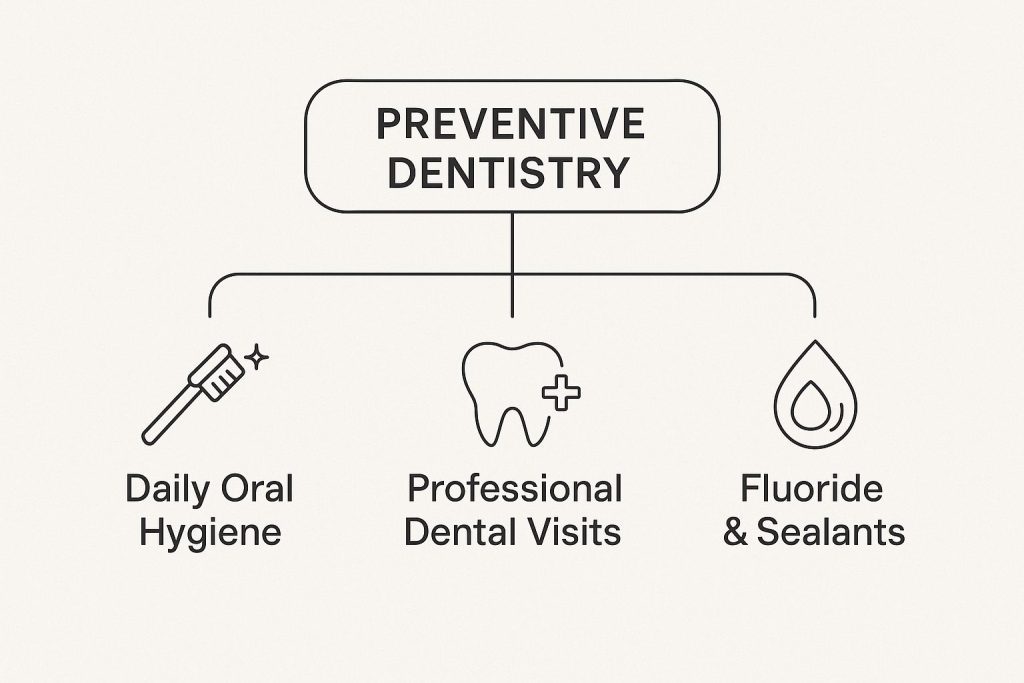
The main goal of preventive dentistry is to proactively prevent your original teeth, gums and supporting bones from various types of diseases. The goal of preventive dentistry has been divided into three stages: primary prevention, secondary prevention and tertiary prevention.
Primary Prevention: This stage mainly focuses on the education to follow the instructions to maintain your oral habits like brushing twice daily, rinsing and flossing your teeth after every meal and limiting the sugar-based food content that is harmful for your teeth.
Also Read: What Foods That Makes Your Teeth and Gums Healthy and Strong
Toothpaste includes fluoride that helps to strengthen tooth enamel and make teeth more resistant to decay and cavities. Apart from this, you can also use dental sealants, a type of protective coating painted on the chewing surfaces of the back teeth to block out food and bacteria.
Secondary Prevention: This stage focuses on identifying and curing the early stages of dental problems. You need a routine check-up at the dentist for teeth cleaning and removal of tartar, or to go through an X-ray to detect hidden decay or structural issues beneath the surface and cure it before it grows further.
Tertiary Prevention: The main focus of the last stage is managing and limiting the major damages caused by deep cavities, prolonged tooth decay and other severe oral problems.
Why is Preventive Dentistry Important?
Most importantly, it helps to prevent your teeth and gums from a wide range of dental problems like cavities and tooth decay before they cause irreversible damage. It is necessary to not only prevent your teeth and gums from dental problems, but also to keep them healthy and strong to get maximum use.
Benefits of Preventive Dentistry:
Early Disease Detection: Withroutinedental check-ups, you can easily detect any kind of gum disease, tooth decay or other oral problems to take the timely and right action to treat the disease.
Also Read: How to Get Rid of Tooth Decay: Natural Ways Remove Cavities
Preserves Natural Teeth: The most advantageous part is that you will not lose your original tooth if you follow the routine and instructions as per preventive dentistry.
Avoid Dental Emergencies: The preventive measures will help you significantly reduce the chances of facing unexpected or sudden dental problems or severe toothaches.
Improved Overall Health: When your teeth are healthy, you will be able to chew or consume a proper diet that will help you improve your overall health.
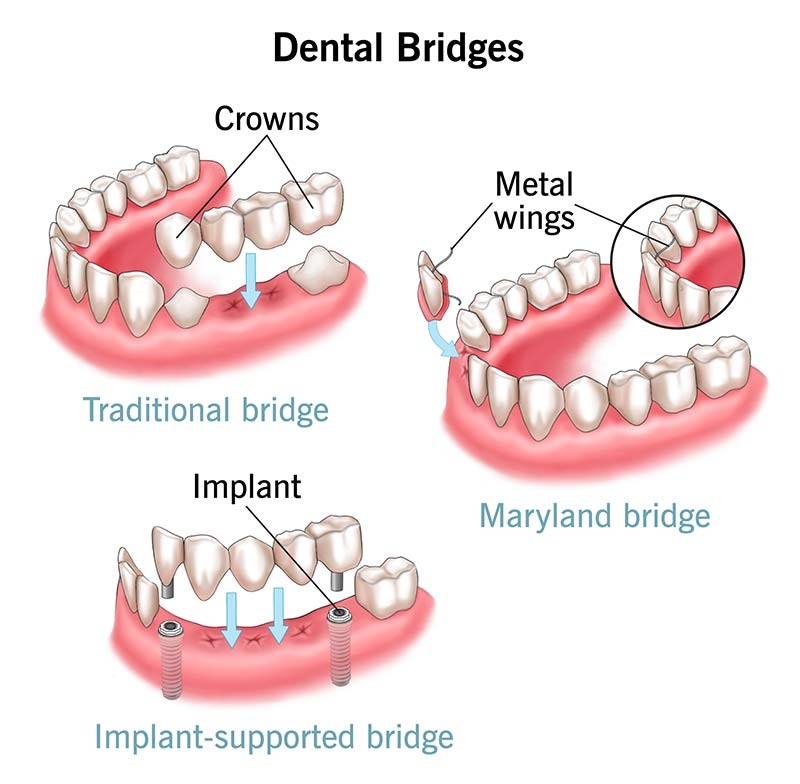
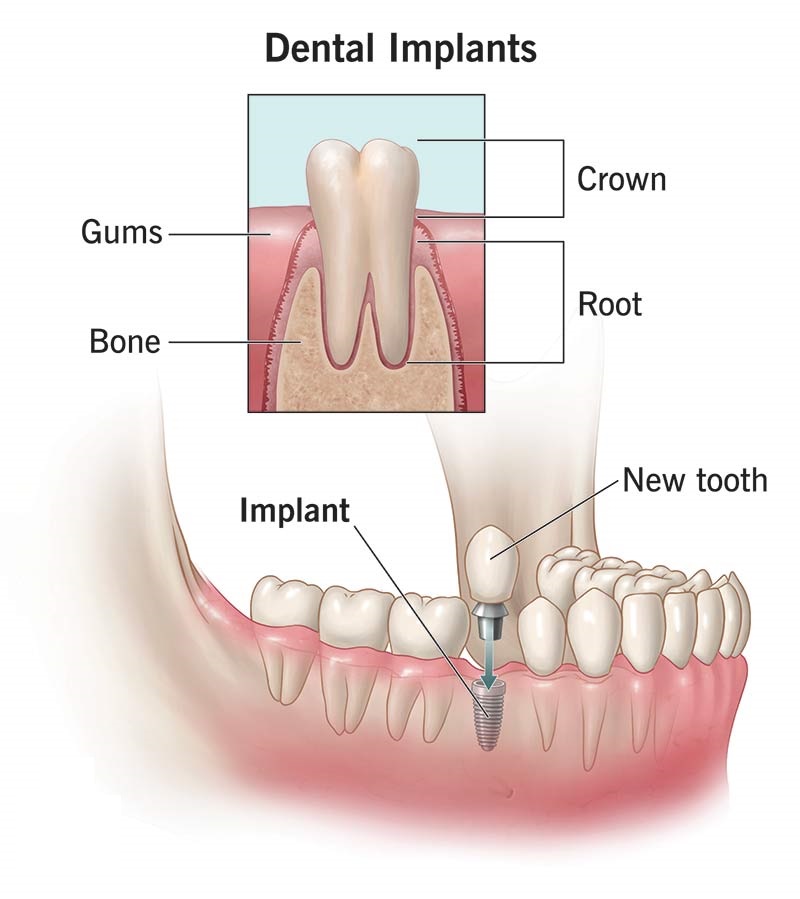
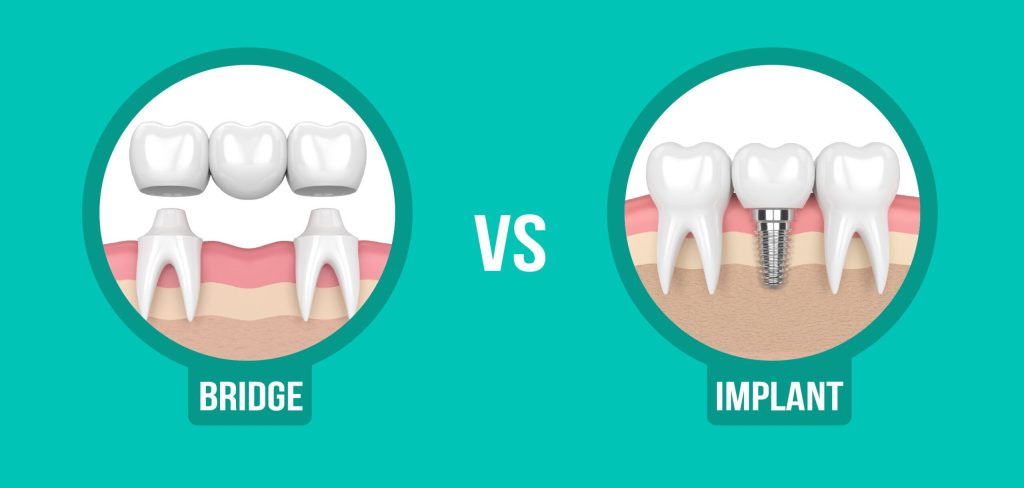
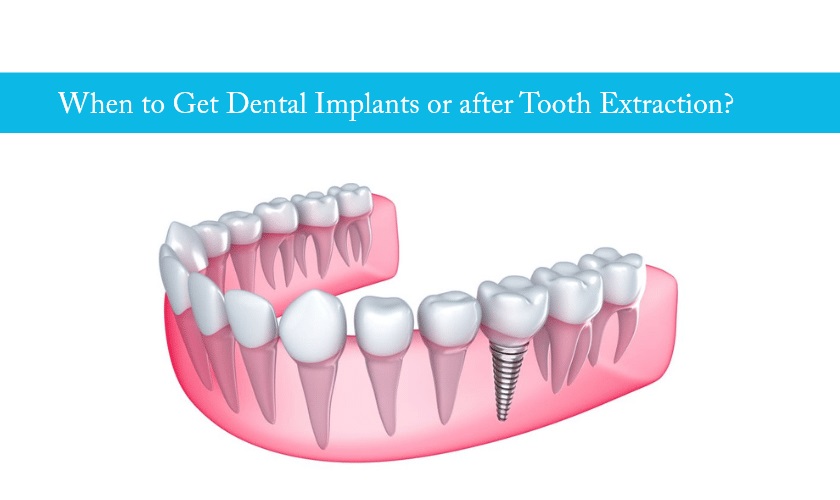
Lower Healthcare Costs: With preventive dental care, you can avert serious dental conditions that will help you to avoid high-cost dental treatments like dental implants, root canal treatment, crown and bridge.
Preventive Dental Services
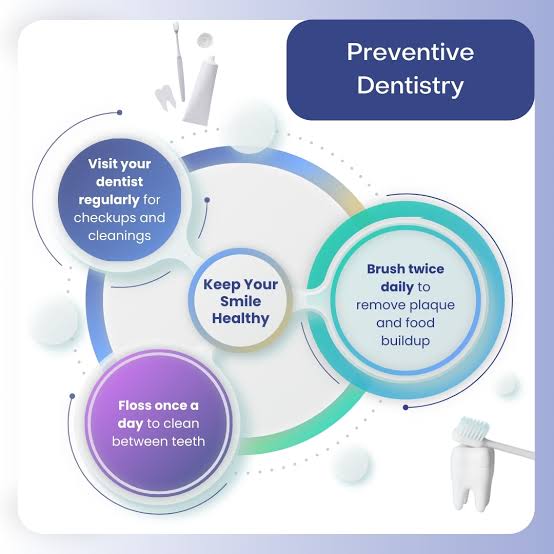
The preventive dental services offered by the dentists or certified dental specialists include routine oral exams, professional teeth cleanings, X-rays, fluoride treatments, and dental sealants. These proactive measures help stop cavities, gingivitis and damage to tooth enamel.
The preventive dental services are designed to help people take care of their teeth under a dentist’s supervision to avoid major dental diseases. Hence, you should opt for this service as soon as possible and prevent your teeth and gums from cavities, decay, and other serious dental problems.
Also Read: Top 10 Frequently Asked Questions (FAQs) on Tooth Decay
How to Get Preventive Dentistry Services?
To get the preventive dentistry services, you have two options: you can either follow the at-home preventive care instructions or opt for the professional in-clinic services. Let’s find out under what conditions you can get the at-home or in-clinic preventive dental services.
Home-Based Preventive Measures
In this kind of preventive dentistry services, you need to brush your teeth twice daily, always rinse your mouth after every meal and floss if anything is stuck between the teeth to prevent any bacterial attack. Apart from this, you also need to improve your lifestyle and diet habits like avoiding smoking, alcohol or consuming caffeine, nicotine and high sugar-based beverages that stain your teeth.
And you need to add Vitamin A, D, C, folic acid and a calcium-rich diet to keep your teeth and gums healthy and strong to avoid dental problems.
In-Clinic Professional Services
Here you need to book online appointment with your nearest best dentist in Greater Noida, who will assist you and perform the various types of dental procedures like routine examination of your mouth, performing the dental cleaning and teeth whitening with scaling and polishing.
Also Read: What is Dental Scaling and Polishing or Cleaning: Difference
Furthermore, the dentist will perform the dental X-ray to check for hidden cavities and symptoms of tooth enamel or bone loss. If any such sign is found, the fluoride-based treatments will be applied. A dentist can use dental sealants to protect your teeth from plastic coatings directly applied to the chewing surfaces of molars to prevent cavities and tooth decay.
Also Read: How to Get Rid of Tooth Decay: Natural Ways Remove Cavities
Final Words
Preventive dentistry is simply a process of protecting your teeth and gums from different types of dental and oral problems. This involves taking care of your teeth and gums at home by brushing regularly twice, flossing and rinsing the mouth with fluoride-based toothpaste.
Apart from home-based preventions, the dental check-ups, professional teeth cleaning, cavities and tartar removal are the professional-level preventive measures included in this process. It is very important not only to keep your teeth healthy and strong to avoid major dental problems, but also to preserve your natural teeth, avoid dental emergencies, and improve your overall health.